Listen Now
0:00
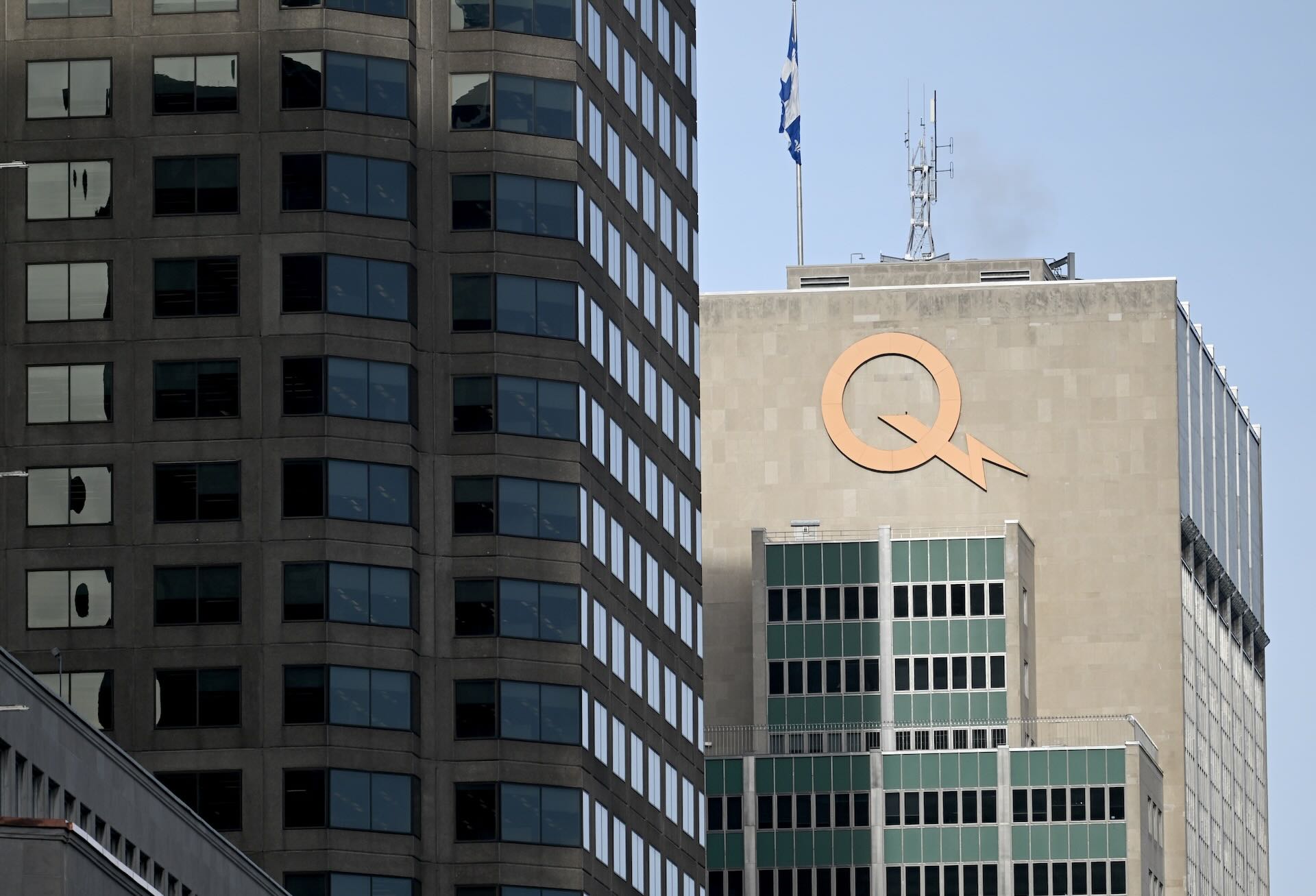
MONTREAL — Hydro-Québec faces an existential crisis. Its electricity surplus is expected to come to an end next year, even as it devotes more power to decarbonizing its operations. Dwindling water levels threaten existing hydroelectric power generation, while regulatory and environmental hurdles are hampering future projects. Quebecers, North America’s energy drunkards, are about to get a lesson in sobriety.
Currently, a kilowatt hour of Hydro-Quebec’s bounty costs the average consumer seven cents, pretty much whenever they choose to consume it. These low prices, enshrined in government legislation more than 25 years ago, are now nearly three times less than Ontario’s on-peak rate and roughly 20 per cent of what Californians pay on average. Quebecers are among the most voracious electricity consumers on earth as a result, according to a 2025 Ouranos report. This is in part because of an outsized predilection for things like swimming pools, detached homes and energy-hemorrhaging baseboard heaters.
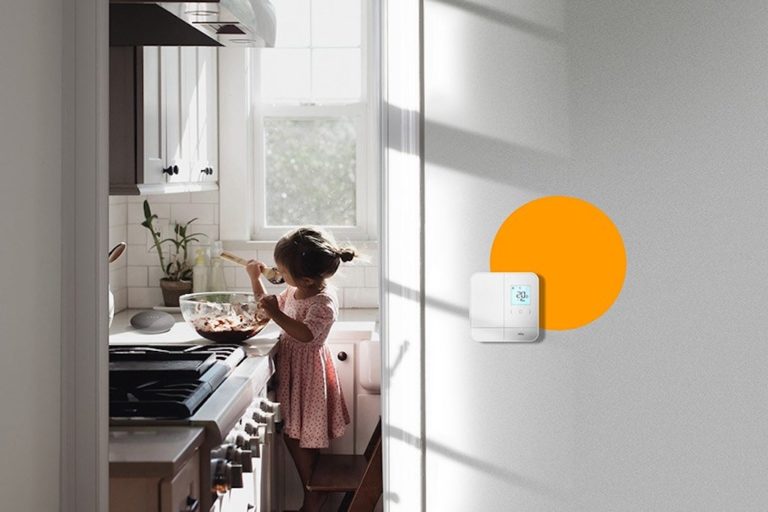
Until now, the government and Hydro-Québec have tried to fix this problem with a flurry of carrots, like subsidizing smart thermostats and politely reminding people to run their dishwashers at night. Now comes the stick, in the form of PGIRE or “Plan de gestion intégrée des ressources énergétiques,” the wordy title for the governmental plan to cut consumption.
Related Articles
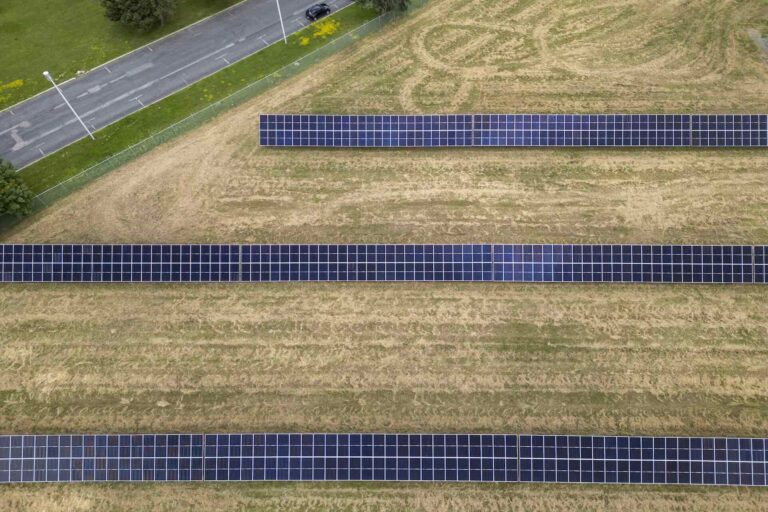
“Quebec is destined to change,” proclaimed a government-made video introducing PGIRE. While it seems like a bit of feel-good agitpop—all solar panels, heat pumps and sun-soaked horizons—it notably emphasizes the collective need for energy sobriety and flexibility, two things Quebecers have rarely if ever practiced.
PGIRE’s rollout coincided with Hydro-Québec’s introduction of a third tier of rates for those electrical gourmands who consume more than 35,000 kilowatt hours a year, which is more than double the electricity of what your average Norwegian household consumes. If there was any doubt as to whom it was targeting, Hydro-Québec explicitly called out the 200,000 or so homes that often have spas, heated garages, heated pools and what it terms “very large living areas.”
Slackening Quebec’s addiction to cheap power has huge, if hidden, rewards. A saved kilowatt-hour of energy “costs” about three cents, or about three times less than the cost of building new energy-producing infrastructure, according to a recent report from HEC Montréal’s Conseil québécois des entreprises en efficacité énergétique.
It’s similar math for home retrofitting and other energy efficiency programs, which the report notes are far less expensive than building new dams to service existing inefficiencies. In hiking rates, PGIRE aims to rebalance Quebec’s long-skewed laws of electrical supply and demand.
“Electricity consumers will have to pay more per kilowatt-hour consumed. However, the bills of those who make efforts regarding energy efficiency and conservation could still decrease, because consumption volumes may drop more than prices rise,” Pierre-Olivier Pineau, HEC Montréal’s chair in energy sector management, told me.
That said, the process will be politically fraught. A couple of years ago, I sat in the back of a minivan with Pierre Fitzgibbon, then Quebec’s innovation minister, as he lamented the political difficulty of hiking hydro rates in the province. Fitzgibbon tabled a bill allowing for peak pricing, which eventually became law after he left government. Yet no politician has dared implement the otherwise-commonplace idea of charging more during peak usage hours.
It is perhaps why PGIRE is less a revolution than a series of baby steps. For now, the electrical rate increases are marginal, and only target a relative handful of households—a canny strategy, said energy consultant Benoit Marcoux, in that the only people who will complain are those with the means to own a big home and a winter spa.
Governments, too, play a role in the folly, in that it is far more politically sexy to announce big, river-bending hydroelectric projects than a window retrofit program. As well, Quebecers won’t likely ever pay the true value of the electricity produced in the province, if only because there is too much cheap precedent to overcome.
Nonetheless, the plan creates a threshold—and something of a precedent. Hydro-Québec spokesperson Audrey St-Pierre demurred when I asked if it planned further rate hikes, but it remains that such increases could be expanded to include more of Quebec’s hoi polloi. The utility has already hiked rates for AI data centres, confident the market will bear the price of a necessity. For the sake of sobriety, may it do the same for its citizens.
Martin Patriquin is The Logic’s Quebec correspondent. He joined in 2019 after 10 years as Quebec bureau chief for Maclean’s. A National Magazine Award and SABEW winner, he has written for The New York Times, The Guardian, The Walrus, Vice, BuzzFeed and The Globe and Mail, among others. He is also a panellist on CBC’s “Power & Politics.”