Listen Now
0:00
OTTAWA — Oil and gas prices surged as hostilities in the Middle East cut energy supplies to much of Asia, but Canada’s ability to meet the moment by adding crude to global markets is limited by its pipeline capacity.
The United States and Israel’s war with Iran has spilled into other Gulf nations, as Iran answered weekend bombings with strikes on U.S. allies across the Middle East. Oil and gas prices surged over US$77 a barrel on Tuesday, after Iran blockaded the Strait of Hormuz, a critical shipping route for the global oil trade that sees an average of 20 million barrels pass through per day. That’s about 20 per cent of the world’s liquid petroleum consumption, and mainly supplies China, India and other Asian countries.
Talking Points
- Energy-hungry Asian markets cut off from oil and gas supplies by hostilities in the Gulf can’t look to Canada for more supply without new infrastructure to get it overseas
- Alberta’s former energy minister Sonya Savage fears Russian oil and gas could fill the void, since Canada is not in a position to help
Natural Resources Minister Tim Hodgson told CBC on Monday he’s received calls from other countries hoping Canadian energy can fill the gap left by the blockade, adding it will take time for oil and gas producers to respond.
The immediate pressure is acute, though, and for now Canada’s hands are tied, say experts in the sector. Without additional pipeline capacity, “there’s very little Canada can do in the short term to meet the growing global demand as supply is cut off in the Middle East,” said Sonya Savage, a former Alberta energy minister, who now works as an energy lawyer in Calgary.
Canada is already operating at record production and export levels for both oil and natural gas, said Lisa Baiton, CEO of the Canadian Association of Petroleum Producers. “Achieving any meaningful new production growth will require additional pipeline capacity and new LNG export facilities, which are not available today,” she said in a statement.
Related Articles
The vast majority of Canada’s oil and gas exports go to the U.S., which is Canada’s main conduit to the rest of the global market, said James Coleman, a professor specializing in energy at the University of Minnesota.
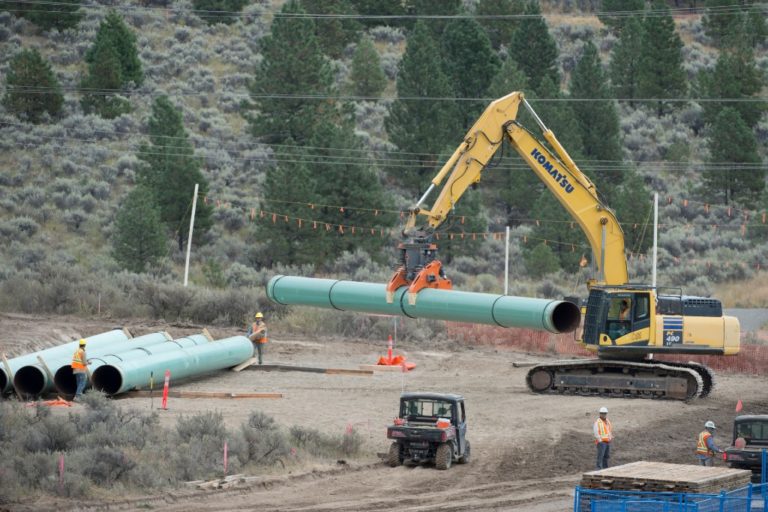
The Trans Mountain pipeline can carry 890,000 barrels of oil per day from Alberta to the West Coast, where it can be shipped directly to Asian markets hit hardest by shortages in the Gulf. But that pipeline was at 87 per cent capacity in the last quarter, the company said.
It would be an understatement to call the remaining surge capacity modest, said Rory Johnston, the founder of oil market research firm Commodity Context. “It’s a tiny, tiny amount,” he said, especially when compared with the amount that typically passes through the Strait of Hormuz.
In a moderate scenario, where hostilities in the Gulf don’t cause sustained disruptions to shipping lanes and energy infrastructure, TD economist Marc Ercolao estimates the price of West Texas Intermediate crude would reach US$70 or slightly higher in the next few weeks. If the situation escalates and the strait is closed for a prolonged period, oil prices could exceed US$100 per barrel for several months, he wrote in an analyst’s note.
That means Canada’s oil industry will benefit in the short term because of the higher prices, said Gabriel Giguère, a senior policy analyst at MEI, a Montreal-based economic think tank.
U.S. President Donald Trump tried to quell energy fears on Tuesday, saying the U.S. navy would start escorting tankers through the strait if necessary. “No matter what, the United States will ensure the FREE FLOW of ENERGY to the WORLD,” Trump said in a Truth Social post.
For now, many countries have strategic oil reserves to tide them over. But if energy infrastructure is damaged, the impact on global markets could be much greater, said Savage, who fears countries could look to Russia to fill the gap.
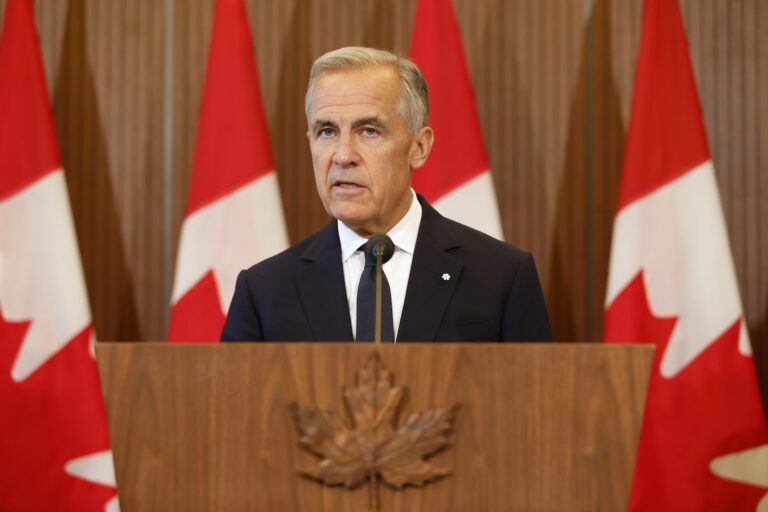
In the long term, Canada would like to be a major player in Asia’s energy markets. On Monday, Prime Minister Mark Carney and India’s Prime Minister Narendra Modi issued a joint statement touting the potential for increased energy trade as Canada looks to become a major exporter of LNG and heavy crude.
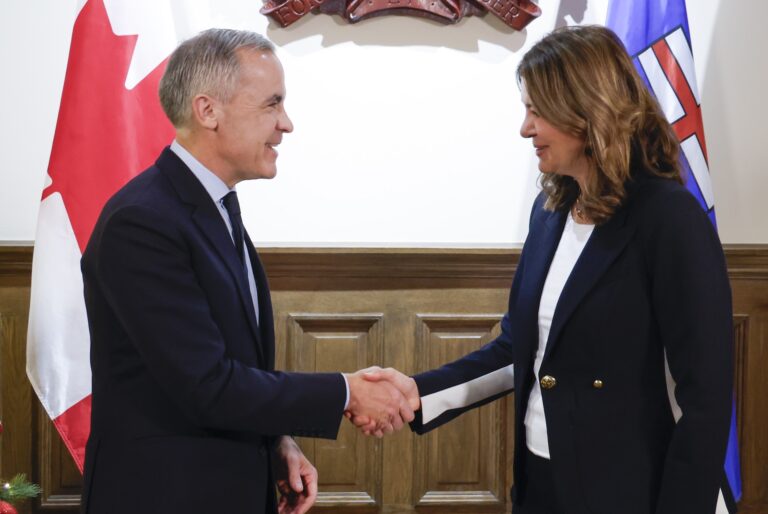
Those ambitions could take a decade to fulfill, said Coleman. Carney and Alberta Premier Danielle Smith signed a memorandum of understanding in November to fast-track a new pipeline to carry a million barrels a day to the West Coast, but the project still requires Indigenous consent, environmental assessment and a private-sector proponent.
“It sounds like the Canadian government is trying to do its best to resolve some of those issues, but I don’t think anybody thinks things can be done quickly,” Coleman said.
In the meantime, the country’s oil industry may benefit from the crisis in other ways, said Johnston, as investors and politicians get a sense of the demand for a stable source of energy.
“Canada is viewed as the world’s most secure source of energy, broadly,” said Johnston. “I think that brand Canada always benefits, in an outsized way, from acute energy insecurity globally.”