MONTREAL — A torrent of fraud on sites like Airbnb and a chronic housing crunch are the main reasons behind Montreal’s decision to impose among the strictest short-term rental laws in the world, according to city officials.
Skip to content


News
Montreal is about to unleash one of the toughest Airbnb crackdowns in the world
A deluge of dodgy short-term rental listings and a housing crunch have persuaded officials to all but ban Airbnb listings. Other cities might take note.
Roughly 47 per cent of Montreal’s nearly 10,000 Airbnb listings seemingly don’t have the required permits. A new short-term rental bylaw aims to change that. Photo: Jolyot M/Andia/Universal Images Group via Getty Images
MONTREAL — A torrent of fraud on sites like Airbnb and a chronic housing crunch are the main reasons behind Montreal’s decision to impose among the strictest short-term rental laws in the world, according to city officials.
A Montreal bylaw passed in March has made it illegal to list properties on platforms like Airbnb and Vrbo for less than 31 days. The exception: a period between June 10 and September 10, during which Montrealers are only allowed to rent their primary residences for short-term stays. Any individual renting beyond this period, or found to be renting properties other than their primary residence, is subject to fines of up to $2,000.
Talking Points
- A new bylaw will prohibit short-term rentals in Montreal outside a three-month window beginning June 10. Even then, people will only be able to list their primary residence.
- The city has more than doubled the number of inspectors dedicated to enforcing its short-term rental bylaw
Many Montreal Airbnb listings were using individual permit codes to rent multiple properties and going to great lengths, including home staging, in an attempt to convince inspectors that they were renting their primary residences, Marie-Claude Parent, head of the city’s tourist housing squad, told The Logic.
Though Quebecers have been required to register their short-term rental properties with the provincial government since 2021—and despite a 2023 pilot project in Montreal cracking down on illegal short-term rentals—the city has struggled to curb the problem. Roughly 47 per cent of Montreal’s nearly 10,000 Airbnb listings don’t have the required permits, according to data from watchdog website Inside Airbnb, yet the city’s three inspectors issued just 162 tickets during the two-year project.
“It’s black and white” under the new law, Parent said. “You’re allowed to rent your primary residence on occasion if it’s during that 92-day period and you have a permit. If it’s beyond this period, sorry. You can get a ticket every day.”
The city has now more than doubled the number of inspectors dedicated to short-term rentals on the island, to seven, while the three-month window makes it easier for these inspectors to issue tickets for non-compliance with the law, Parent said. The new bylaw also shifts the burden of proof from the inspector to the property owner, who must now prove the property they have listed is their primary residence.
Related Articles
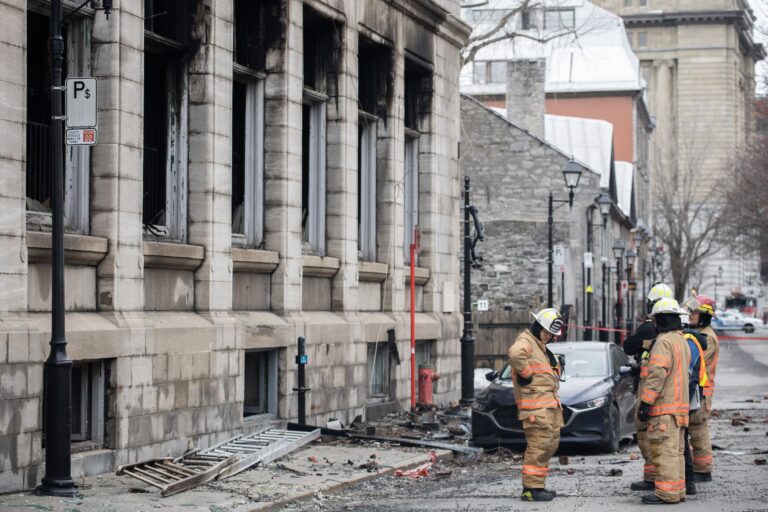

It’s the second short-term rental bylaw to come into effect in Quebec since 2023. That year, following a deadly fire at an Airbnb-listed short-term rental property that killed seven people in Montreal’s Old Port, the provincial government mandated that short-term rentals have a registration number. This law caused a considerable decline in the number of listings in Montreal, though there’s been some pickup over the last year, according to Bram Gallagher, director of economics and forecasting at AirDNA, a short-term rental analysis platform.
Airbnb has come out against the new Montreal bylaw. Alex Howell, Airbnb Canada policy lead, described the rules as “extreme and shortsighted.” Hunter Doubt, Canadian government and corporate affairs head with Expedia Group, which owns short-term rental platform Vrbo, also disagreed with the law. “We look forward to remaining engaged with the city on the implementation of this bylaw, and will advocate for its amendment,” he said.
The effect of short-term rentals on a city’s long-term rental market isn’t entirely clear. A 2019 Barcelona Institute of Economics study said neighborhoods in the Spanish city with high short-term rental activity have seen long-term rental prices increase by seven per cent. More recent studies put the number at between one and four percent, with the biggest effects felt in highly touristic areas.
In restricting short-term rentals, Montreal is trying to avoid what has happened in several European cities, where a flood of short-term rentals in residential neighbourhoods has led to protests against tourism in general. “More and more, longtime residents of neighbourhoods have started to feel the harmful effects of living next to people who only come to party, drink and have fun,” said Yves, one of seven city inspectors, who asked to be identified only by his first name. “It forces people to leave when it gets to that level.”
I spoke to Yves as he was out conducting inspections in Montreal’s Plateau neighborhood. With its quaint streets, old rowhouses and oodles of restaurants and bars, the Plateau is a prime tourist destination. It is also one of the city’s biggest crucibles of anti-Airbnb outrage, with the local renters rights association calling Airbnb “an assault on our neighbourhoods.”
Yves stopped at one of the units, a non-descript doorfront with a lockbox on the door handle. A numbered company is behind the unit, he said—a strong indication that it wasn’t anyone’s primary residence. He learned of the unit from neighbours, who complained about the noise. He’d already issued two $2,500 tickets to the owner, though the lockbox suggested it was still being rented out. He looked through the windows. No one seemed to be home.



Loading...
Thanks for sharing!
You have shared 5 articles this month and reached the maximum amount of shares available.
CloseThis account has reached its share limit.
If you would like to purchase a sharing license please contact The Logic support at [email protected].
CloseGift the full article!
You have gifted 0 article(s) this month and have 5 remaining.
Recipients will be able to read the full text of the article after submitting their email address. They will not have access to other articles or subscriber benefits.
Photo: Jolyot M/Andia/Universal Images Group via Getty Images
Most Popular This Week




In-depth, agenda-setting reporting
Great journalism delivered straight to your inbox.
News
‘Lego’ homes or housing solution? Canadians are split on modular housing
Briefing
Dominion Dynamics is pitching to take over an idled Stellantis plant
Three Canadian cities crack top 10 list of North American tech hubs
Moderna and Merck report promising trial results for mRNA-based melanoma vaccine
Best business newsletter in Canada
Get up to speed in minutes with insights and analysis on the most important stories of the day, every weekday.
Exclusive events
See the bigger picture with reporters and industry experts in subscriber-exclusive events.
Membership in The Logic Council
Membership provides access to our popular Slack channel, participation in subscriber surveys and invitations to exclusive events with our journalists and special guests.