A winner of Klaviyo’s much-anticipated initial public offering today will be Shopify, one of the Boston-based marketing automation company’s largest backers. The offering will net Shopify at least about US$356 million at the low end of Klaviyo’s IPO range—or more, if it chooses to exercise its stock options.
Skip to content
 Klaviyo CEO and co-founder Andrew Bialecki in Boston in September 2019. Photo: The Boston Globe via Getty Images/Barry Chin

News
Shopify set for windfall in Klaviyo IPO
Boston firm’s shares are set to begin trading on NYSE on Wednesday
Klaviyo CEO and co-founder Andrew Bialecki in Boston in September 2019. Photo: The Boston Globe via Getty Images/Barry Chin
A winner of Klaviyo’s much-anticipated initial public offering today will be Shopify, one of the Boston-based marketing automation company’s largest backers. The offering will net Shopify at least about US$356 million at the low end of Klaviyo’s IPO range—or more, if it chooses to exercise its stock options.
Klaviyo’s business model is highly dependent on a long-term partnership with Shopify, which stands to further grow its stake in the firm. The company’s IPO filing with the New York Stock Exchange reveals just how interwoven the two firms are.
Here are the key numbers you need to know about the two firms ahead of Klaviyo’s trading debut:
11.2%: That’s Shopify’s maximum stake in Klaviyo as of July 31 as it owns roughly 28.9 million shares either directly or indirectly between its purchases, stock options and warrants.
Related Articles

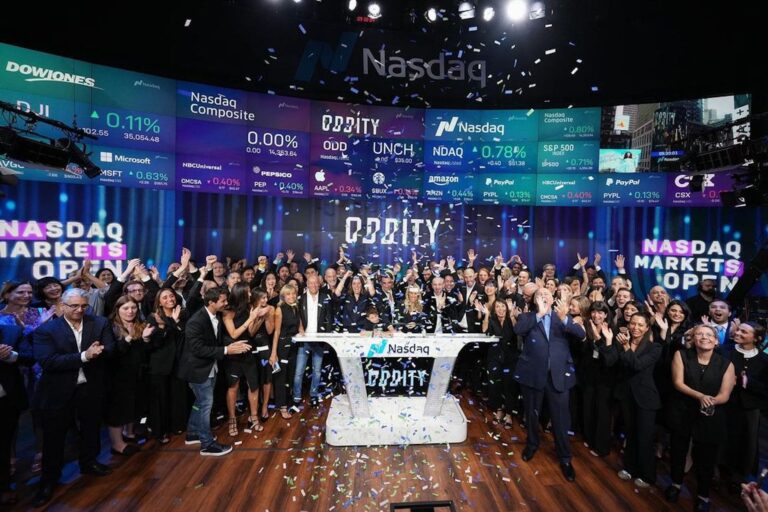
US$100M: Shopify purchased about three million Klaviyo shares on July 28, 2022, as part of the partnership, for about US$100 million or US$33.88 each. Assuming a US$27 offering price, Shopify overpaid by about US$20.3 million at the time of IPO.
6.3M: Klaviyo gave Shopify warrants to buy up to about 15.7 million of its shares at a penny each for a total of US$157,432. Shopify has partially exercised its warrants, for a total of nearly 6.3 million shares as of July 31. Another roughly 3.9 million of those warrants are available to Shopify within 60 days of that date. If it exercises all of those, Shopify stands to make about US$276 million on the warrants.
15.7M: Shopify also has an option to buy up to roughly 15.7 million more shares at about US$88.93 each or US$1.4 billion total, which it can do until July 28, 2030, but had not done so by the time of the filing. It is unlikely to purchase these, with Klaviyo’s offering price well below that threshold.
More than 3/4: As of the end of last year, Klaviyo’s revenue totalled roughly US$472.7 million, up 63 per cent from 2021. It doesn’t break out how much of that is from annualized recurring revenue (ARR), a key metric showing earnings from existing paid subscriptions. However, Klaviyo revealed that a significant share of its ARR—77.5 per cent—comes from customers who use Shopify’s platform, though it said the vast majority of them arrived through inbound channels or other means.
3: In July 2022, the two companies entered into a seven-year partnership in which Shopify would recommend Klaviyo’s email services for its Shopify Plus merchants. The partnership is made up of three separate agreements: revenue sharing, common stock warrant and stock purchase.
US$16.2M: The amount that Klaviyo paid to Shopify in 2022 in revenue sharing for every Shopify Plus merchant using its platform who met certain undisclosed criteria, as well as for all revenue Shopify merchants generate.
7: The initial number of years for which the agreement is in place. It renews automatically, one year at a time, unless either company does not wish to continue. But it cannot be stopped “for convenience.” Shopify can terminate the agreement if Klaviyo is acquired by a competitor.
What’s next? Last year, Klaviyo spent roughly US$214 million in sales and marketing expenses. That figure includes expenses for revenue-sharing agreements like the one with Shopify. Klaviyo expects that line item to remain its largest operating expense in terms of dollars, but to drop as a percentage of revenue in the long term. “In the short term, we expect selling and marketing costs to increase as we … pay more in partnership fees to Shopify and other partners as we continue to grow,” its filing said.



Loading...
Thanks for sharing!
You have shared 5 articles this month and reached the maximum amount of shares available.
CloseThis account has reached its share limit.
If you would like to purchase a sharing license please contact The Logic support at [email protected].
CloseGift the full article!
You have gifted 0 article(s) this month and have 5 remaining.
Recipients will be able to read the full text of the article after submitting their email address. They will not have access to other articles or subscriber benefits.
Photo: The Boston Globe via Getty Images/Barry Chin
Most Popular This Week



In-depth, agenda-setting reporting
Great journalism delivered straight to your inbox.
The Big Read
Alberta’s referendum is just the start of the turmoil
Briefing
EverWind plans $10B data centre and wind development in Nova Scotia
Canada ready to force Stelco to sell its Canadian operations, Joly says
Feds plan a 60 MW defence-oriented data centre for Ottawa
Best business newsletter in Canada
Get up to speed in minutes with insights and analysis on the most important stories of the day, every weekday.
Exclusive events
See the bigger picture with reporters and industry experts in subscriber-exclusive events.
Membership in The Logic Council
Membership provides access to our popular Slack channel, participation in subscriber surveys and invitations to exclusive events with our journalists and special guests.






