Listen Now
0:00
OTTAWA — The new version of Ottawa’s scandal-plagued cleantech funding program is smaller, less effective and already running short on money since the government revived it under the National Research Council, say industry leaders.
The new iteration’s smaller budget, lack of support for capital purchases and reduced emphasis on private partnerships have left the program “greatly diminished,” said Peter McArthur, chair of the Canada Cleantech Alliance, which represents 2,000 members from the sector.
Talking Points
- The new incarnation of Ottawa’s controversial greentech program, Sustainable Development Technology Canada, has far less support to offer than its predecessor
- The new program, headed by the National Research Council’s Industrial Research Assistance Program, opened to applications last summer and has told at least one company that funds have been exhausted until March 2027
The Sustainable Development Technology Canada (SDTC) foundation was Ottawa’s solution to the long-standing challenge of turning cleantech startups into viable businesses. Backed by $2.1 billion in promised government investment over the course of its existence, it offered firms up-front funding and expertise to help them bridge the “valley of death” between their early seed phase and commercial sales.
The program came undone, though, after allegations of conflict of interest led to a probe by the auditor general, which found the foundation had awarded $59 million to companies that did not meet eligibility criteria. Some $76 million worth of awards violated the foundation’s conflict policies, the auditor found.
Related Articles

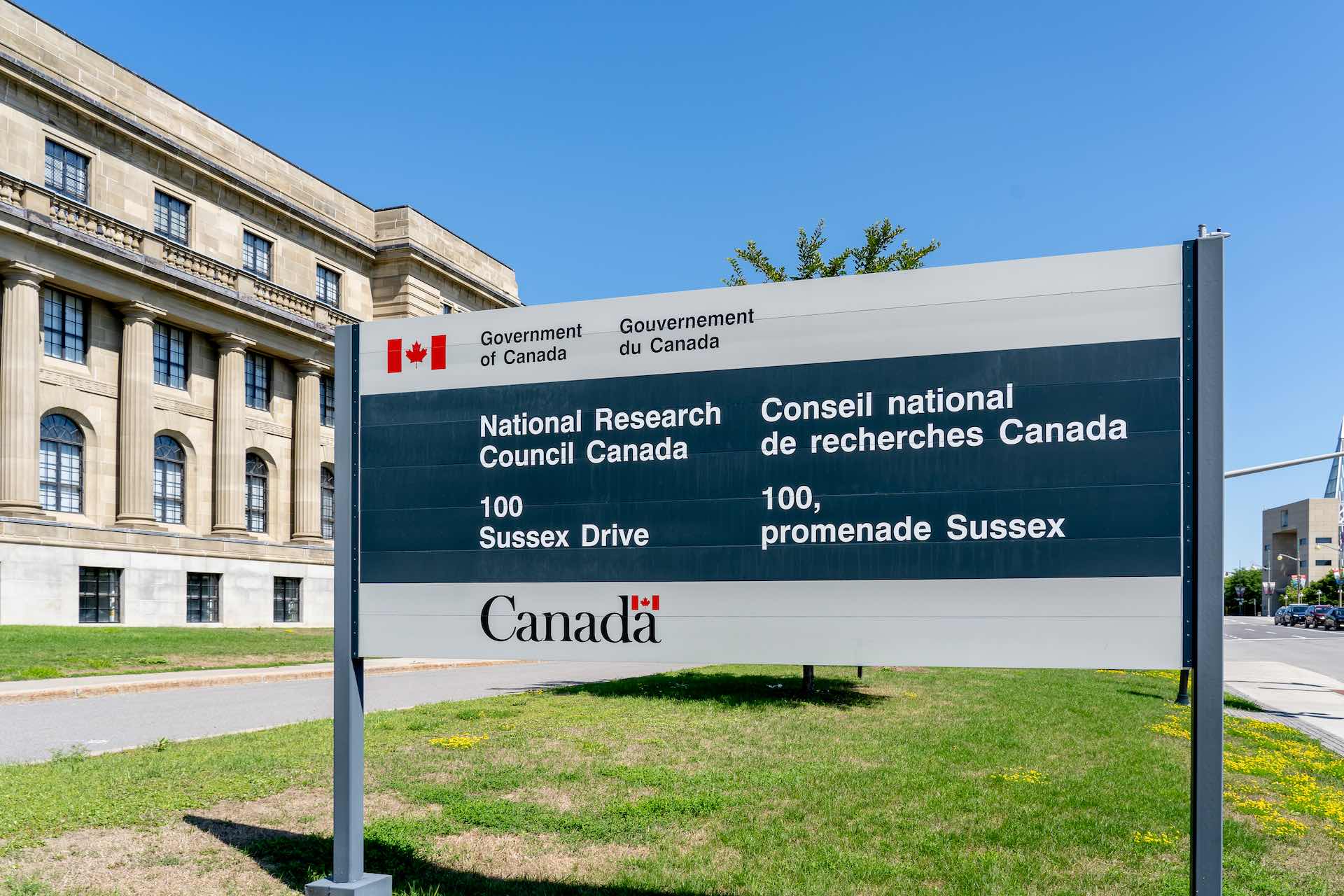
Then-innovation minister François-Philippe Champagne suspended funding for the program in October 2023 amid mounting political outrage (the Conservative opposition dubbed it the “green slush fund”), and eight months later moved the initiative to the National Research Council (NRC), touting the council’s track record of stringent oversight.
McArthur’s organization was one of a handful that defended SDTC during the scandal, arguing that, despite its failures, the agency was critical in commercializing Canadian green technology. The controversy resulted in a nearly two-year pause in the program’s normal operations before it was relaunched under the council’s Industrial Research Assistance Program (IRAP), a stoppage McArthur said has hobbled the sector and cost Canada a competitive edge it had over other countries.
Before the controversy, the government had planned to recapitalize SDTC in 2020 with $750 million over five years. Last July, after the worst of the political storm blew over, the new iteration of the program—which goes by the unassuming name “NRC IRAP support for clean technology”—started accepting new applications. Like SDTC, it offers expertise and funding support, but with a budget of only $150 million over three years, it has a fraction of the former program’s resources.
“Their ability to do larger projects is eliminated,” McArthur said.
Montreal-based Enerkem is one of the companies left out of the new program. The firm, which turns waste into fuel, was a high-profile recipient of SDTC support, twice appearing on the foundation’s annual list of “sustainability changemakers.”
Members of Parliament pulled Enerkem’s name into the scandal after raising concerns about a potential conflict of interest on the part of one of its board members who also sat on SDTC’s review committee. However, Enerkem’s funding was not part of the audit, and there has been no finding the firm received money it shouldn’t have.
SDTC contributed to the company’s cellulosic ethanol facility in Varennes, Que., in 2013 and a biofuels plant in Edmonton, which opened in 2014. “We were very happy with this plant because it helped us to demonstrate the technology,” Maude Lauzon, the company’s director of sustainability and global regulatory affairs, said of the Edmonton facility in an interview. The company retired the plant in 2024, citing market and regulatory conditions, after producing less ethanol than initially hoped.
When Enerkem applied to the revamped program last year, Lauzon said, the NRC rejected the proposal, saying that the program’s budget was exhausted until March 2027. She shared a portion of the response with The Logic, in which the research council told the company it reached its conclusion after internal discussions about Enerkem’s past funding, and promised to get in touch if more federal support became available. In its response, the NRC didn’t specify whether the previous grants caused concern, or what those internal discussions concluded.
The rejection arrived around the same time Ottawa shut down other greentech initiatives like Clean Growth Hub, a concierge-like service that helped firms navigate government support. “This is very tough,” Lauzon said. “It [takes] a lot of time for us to apply to those programs, and when you receive a negative answer, it’s tough.”
Venture capital has largely dried up as well, leaving cleantech firms struggling to grow, McArthur said. In 2025, total capital investment in the sector dropped 43 per cent, according to the Canadian Venture Capital and Private Equity Association, though the number of deals remained stable.
Tosin Akin-Ogundeji, a spokesperson for the research council, said the new greentech program signed 88 new agreements since it started accepting applications last summer and has more than 100 projects in its pipeline. Companies can qualify for up to $20 million in funding support, she said, but there is only $18 million left in the budget for new projects until 2028-29.
Even when companies get a grant, the conditions stipulate they can’t use it for capital purchases, which is a problem for a sector like greentech, said McArthur. Firms need inventory, machines and lab equipment while they demonstrate the viability of their businesses, he said. “The traditional NRC IRAP lens doesn’t contemplate that, but this sector needs to be treated differently.”
While some firms can execute on new technology with $1 million or $2 million, McArthur said, bigger projects need much more. “If you want to have impact, you’re going to need meaningful capital to do that,” he said.
Notably, the new iteration of the greentech program also doesn’t require commercial partners, which was a hallmark of SDTC. The upside of this extra hurdle was that companies finished the process with a potential customer, McArthur said.
“There’s lots of technologies out there that don’t have anyone that wants to buy them,” he said. “If someone actually sees a purpose and a use and a need… the path to commercial viability is that much greater.”