Listen Now
0:00
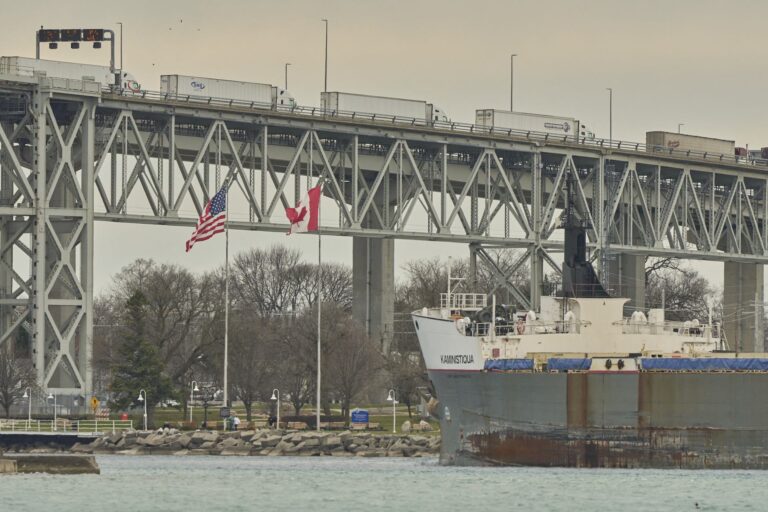
OTTAWA — Canada’s border services agency has been cracking down on chicken meat from the United States that was mislabelled to evade duties and taxes, yet newly released figures show it is struggling to get those caught slipping fraudulent fowl across the border to pay up.
According to data provided to the House of Commons in response to an order paper question by Conservative MP Philip Lawrence, the Canada Border Services Agency (CBSA) has assessed nearly $311 million in duties, interest and penalties linked to imports of misclassified spent fowl since 2017. Of that amount, it has collected just under $3.15 million—about one per cent of the total.
Talking Points
- The Canada Border Services Agency (CBSA) assessed nearly $311 million in duties and penalties linked to imports of chicken meat deliberately mislabelled to evade tariffs
- Newly released figures suggest the CBSA is struggling to make these importers pay the consequences; the government has collected only about one per cent of the total amount since 2017
“Imagine a tax system where the government only collected one per cent of the taxes they assessed,” Lawrence said in an interview. “How rigidly would people be obeying those rules?”
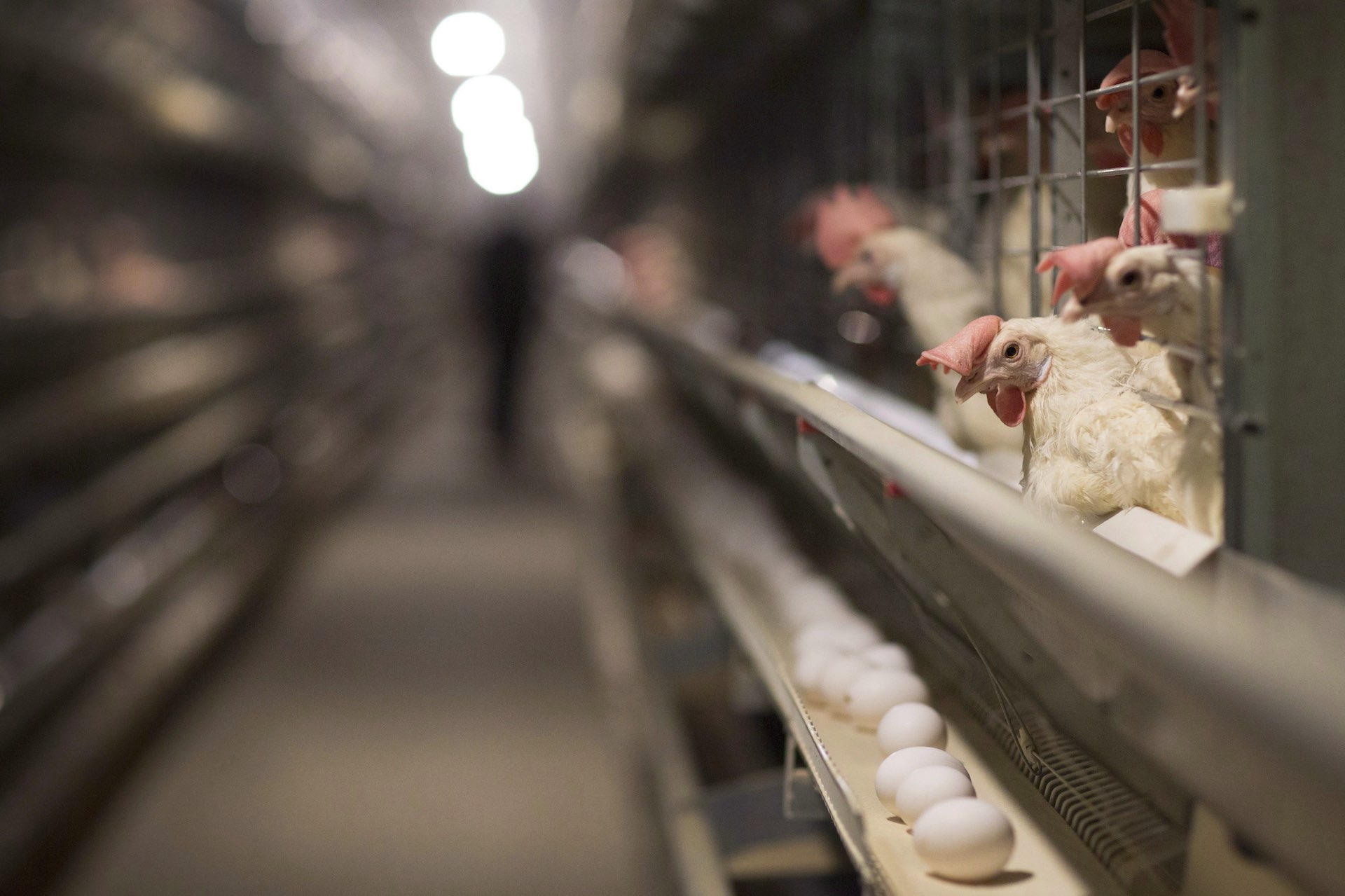
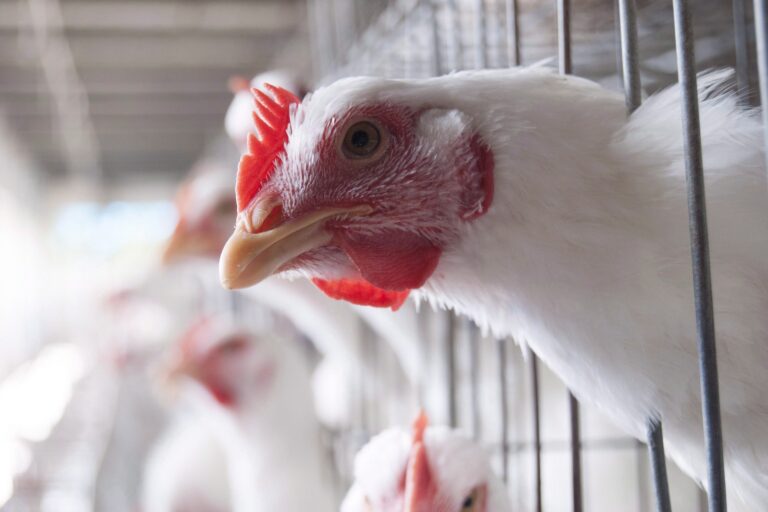
Canada imported more than 113 million kilograms of chicken meat categorized as “spent fowl” from the U.S. last year. It is what the agricultural industry calls hens that are done laying eggs, and are butchered for meat used in products such as chicken nuggets and soup.
Under the Canada-United States-Mexico Agreement (CUSMA), Canada does not place import quotas or tariffs on spent fowl from North America. That is not the case for the higher-quality meat from broiler chickens, which fall under the protection of Canada’s supply management system.
The volume of spent fowl that Canada imported from the U.S. last year far exceeded the amount the U.S. could actually produce, raising suspicion among domestic producers. The Chicken Farmers of Canada has argued that anything above 60 million kilograms from the U.S. per year is likely to actually be broiler chicken meat deliberately misclassified as spent fowl to get around the rules.
Related Articles
The CBSA has stepped up its enforcement since 2017, including by making spent fowl one of its priorities for verification. The CBSA told The Logic earlier this year that its latest round of extra scrutiny appeared to be working because the rate of non-compliance had dropped compared to previous attempts.
Collecting what is owed for the mislabelled meat has been much harder. The government’s response to Lawrence’s question shows nearly $240 million remains outstanding, while the CBSA wrote off almost $68 million in money owed.
“Fraudulent mislabelling of spent fowl has been a long-standing issue, and when assessed duties aren’t fully recovered, it undermines the integrity of the import controls that Canadian chicken farmers rely on,” Lauren Kennedy, a spokesperson for the Chicken Farmers of Canada, said in a statement. “We expect strong enforcement of the rules and full accountability to ensure a fair marketplace and to protect Canadian farmers from ongoing circumvention.”
CBSA spokesperson Karine Martel said border agents have up to four years to verify commercial imports and adjust duties as needed. It sends outstanding amounts not paid within 30 days to the Canada Revenue Agency (CRA) for collection. The revenue agency’s officers “make every effort to hold non-compliant importers financially accountable, but in some cases, the importer may be unable to pay for reasons such as bankruptcy or the age of the debt may have exceeded the collections limitation period,” Martel wrote in a statement. Once the CRA has “exhausted all available avenues” to recover the debt, it might recommend the CBSA write it off.
The CBSA wrote off about $40 million in assessed duties for spent fowl in the last fiscal year alone, but Martel said that is related to the agency switching over to a new online customs system. Before it launched that system in October 2024, Martel said, the agency paused making decisions on importer accounts that had already been deemed insolvent until the new system was in place. When it picked up that work again, “there had been an accumulation of insolvent accounts to consider for debt write-off,” which led to a much higher amount than usual being written off in fiscal 2025-26.
The issue of how to better detect fraudulently labelled spent fowl came up during Ottawa’s consultations on the CUSMA review, but the Chicken Farmers of Canada does not consider it to be a trade irritant because the practice is illegal on both sides of the border.
Tom Super, a spokesperson for the National Chicken Council in the U.S., declined to comment on what he described as “import practices in Canada,” but said the council’s members have followed the rules. The U.S. Embassy in Ottawa referred The Logic to Canadian border authorities.
Lawrence stressed the flood of misclassified chicken is still hurting Canada’s poultry sector, where farmers have tight margins. “We certainly owe it to our farmers to enforce our border and enforce our rules to make sure that they have a fair and competitive marketplace.”