Magna International has abandoned plans to buy Veoneer, a safety and autonomous-driving technology company, after being officially outbid by deep-pocketed chipmaker Qualcomm.
Skip to content

News
How Qualcomm cut off Magna in a race for Veoneer
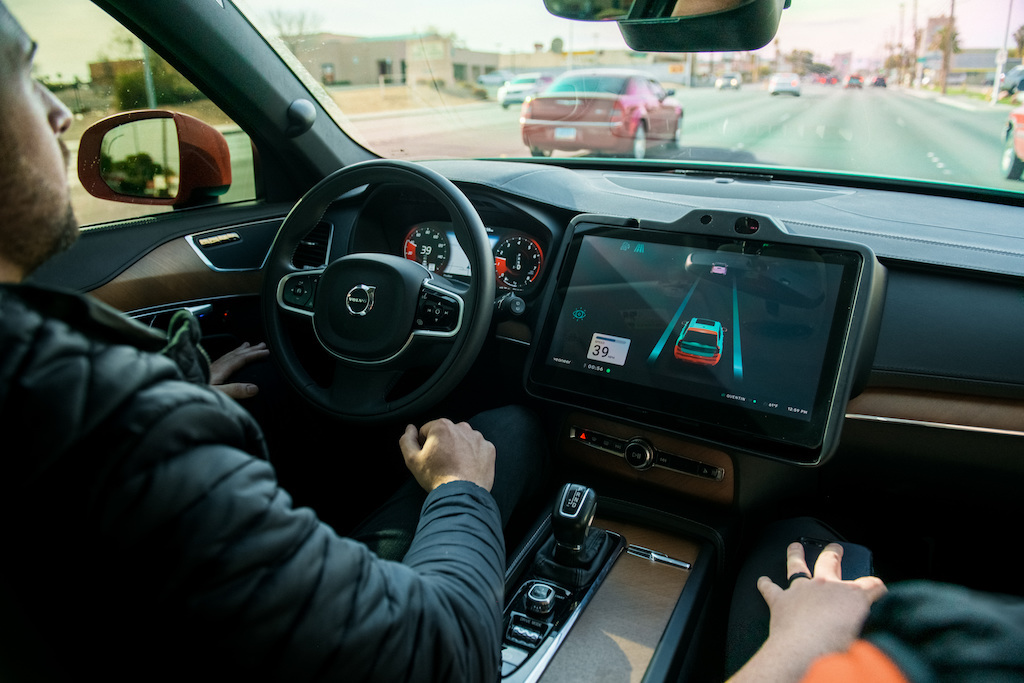
Photo: Veoneer | Handout
Magna International has abandoned plans to buy Veoneer, a safety and autonomous-driving technology company, after being officially outbid by deep-pocketed chipmaker Qualcomm.
The battle over the Stockholm-based startup suggests that as cars require more software and semiconductors, manufacturing heavyweights like Magna will increasingly have to compete with big international tech money.
How it started: The Aurora, Ont.-based auto-parts maker had hoped that its US$3.8-billion purchase of Veoneer would expand its Asia client base, add 1,700 software engineers to its talent pool and bring it closer to dominating the automotive camera and radar-technology markets.
But despite reigning as Canada’s largest manufacturing employer, Magna isn’t a chipmaker. There are about 1,400 chips in an average vehicle today—and they could become more important as self-driving technology advances. Naturally, Qualcomm’s new leadership has been eyeing autos as a way to diversify from smartphone chips.
Before announcing the agreement on July 22 to buy Veoneer, Magna was already working with chipmaker Intel on a self-driving platform. Veoneer, meanwhile, started working with Qualcomm in January on a system on a chip for advanced driver assistance and autonomous vehicles.
How it’s going: Qualcomm’s bid came two weeks after the ink dried on Magna’s agreement. But Veoneer’s shareholders ultimately decided that Qualcomm’s US$37-per-share all-cash bid was superior to Magna’s US$31.25 offer.
Under the US$4.5-billion deal, Qualcomm’s investment partners, SSW Partners, will split off the rest of Veoneer’s business and broker separate deals. Qualcomm will keep the project it developed with Veoneer, called Arriver.
Magna, which will get a US$110-million termination fee, said the decision to abandon the deal represents its “disciplined approach to valuation.”
Why it matters: Traditional automakers are increasingly competing with Silicon Valley on driver assistance and autonomous driving. Yet they’re still getting stymied by outdated chips and failing to rewrite code—areas where Qualcomm might surprisingly lend a hand.
If Magna CEO Swamy Kotagiri drummed up an appetite for Veoneer, it could have shown his vision for the future as he wraps his first year on the job. On the other hand, he has an existing investment in Waymo in his pocket, and now has US$3.8 billion and change to spend elsewhere.



Loading...
Thanks for sharing!
You have shared 5 articles this month and reached the maximum amount of shares available.
CloseThis account has reached its share limit.
If you would like to purchase a sharing license please contact The Logic support at [email protected].
CloseGift the full article!
You have gifted 0 article(s) this month and have 5 remaining.
Recipients will be able to read the full text of the article after submitting their email address. They will not have access to other articles or subscriber benefits.
Photo: Veoneer | Handout
Most Popular This Week



In-depth, agenda-setting reporting
Great journalism delivered straight to your inbox.
The Big Read
Beacon is building an AI empire by fixing Main Street’s software
Briefing
Inovia raises US$200M for new VC fund as it eyes AI’s impact
43% of eligible Albertans voted ahead of Monday’s referendum
AI chip company Tenstorrent raises US$1.5B, valuing it at US$6.2B
Best business newsletter in Canada
Get up to speed in minutes with insights and analysis on the most important stories of the day, every weekday.
Exclusive events
See the bigger picture with reporters and industry experts in subscriber-exclusive events.
Membership in The Logic Council
Membership provides access to our popular Slack channel, participation in subscriber surveys and invitations to exclusive events with our journalists and special guests.







