Skip to content

Canada's Business and Tech Newsroom

  • Professional Subscription
  • Partnerships & Advertising
  • Licensing & Syndication
Log In Subscribe
Welcome,
  • My Account
  • Log Out
  • Business
  • Tech
  • National
  • The Big Read
  • Briefings
  • Commentary
Search
Log In Subscribe
Welcome,
  • My Account
  • Log Out
News

Canada gets low returns from events like the World Cup. Ottawa wants to know why

Listen Now
0:00
News

Canada gets low returns from events like the World Cup. Ottawa wants to know why

As the World Cup bump falls short of hopes, the feds are seeking better ways to track the economic benefits of huge athletic events

By Laura Osman
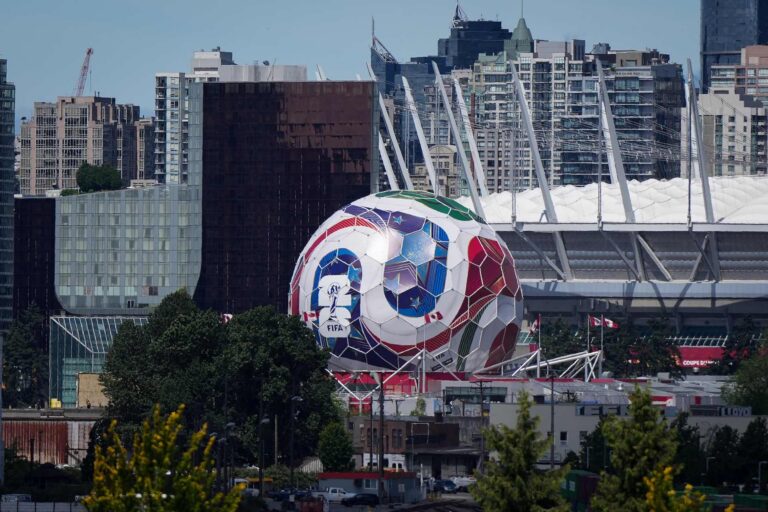
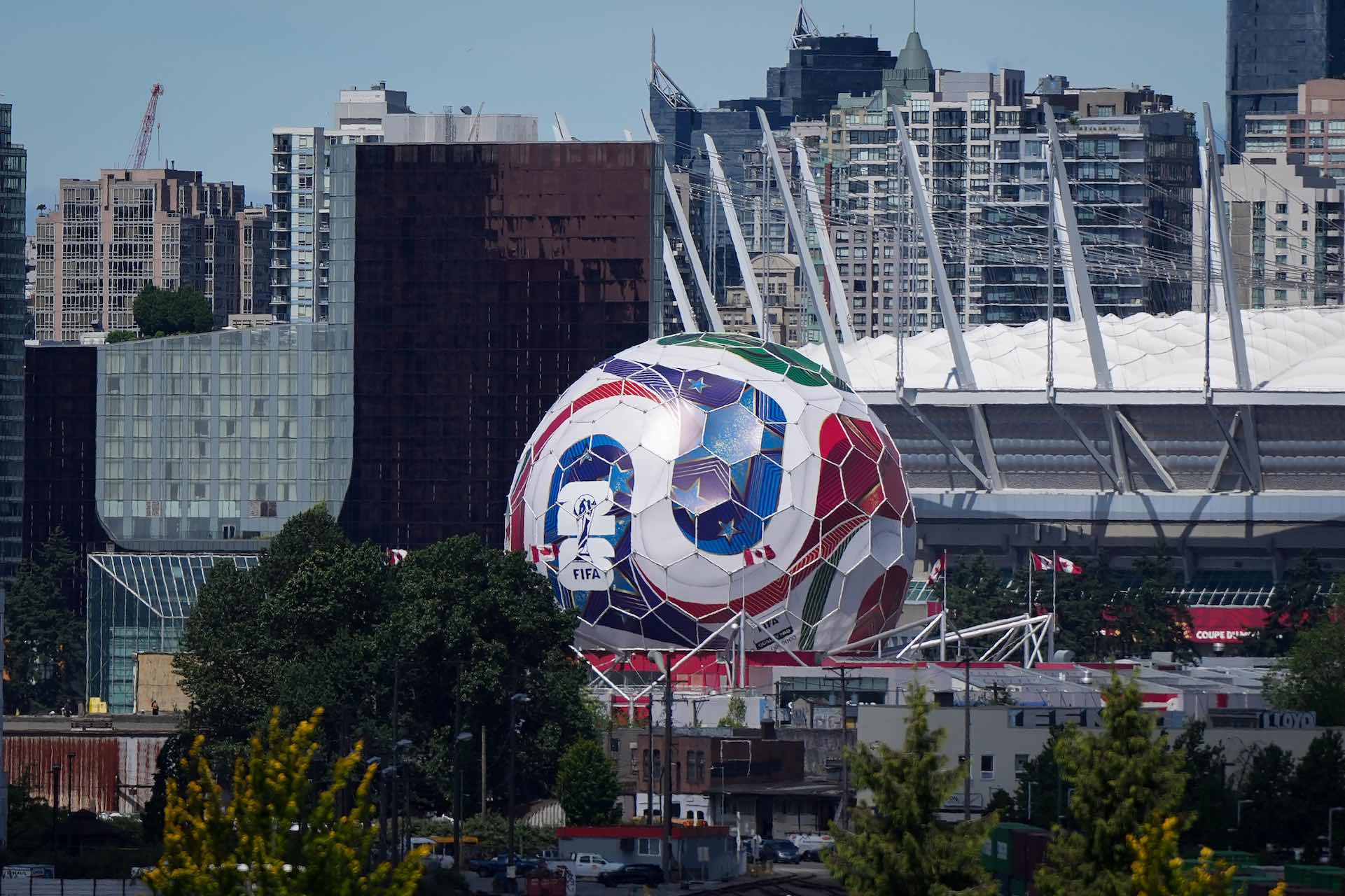
A wide shot of the Vancouver skyline shot from the east, featuring the Science World geodesic dome painted as a FIFA 2026 World Cup soccer ball. B.C. Place stadium appears on the right side of the frame.
Vancouver’s iconic Science World dome was done up as a soccer ball as the city prepared to host FIFA World Cup games. Photo: The Canadian Press/Darryl Dyck
Jun 19, 2026 | 5:45 AM ET
A A
A Small A Medium A Large
Share

Gift

Share

Listen Now
0:00

OTTAWA — Canadian governments have cumulatively spent $1 billion preparing to co-host the 2026 FIFA World Cup, but they still lack the tools to determine whether tournaments like this one will deliver an economic win.

The challenge is significant enough that earlier this week, Ottawa tasked a research hub at Toronto Metropolitan University with developing better ways to measure the economic impact of sport in Canada.

Talking Points

  • The federal government has asked Toronto Metropolitan University’s Future of Sport Lab to develop a more sophisticated way to measure the sport industry’s economic impact in Canada, so it can tally how tournaments like the FIFA World Cup perform
  • The limited statistics available suggest sport is not the economic winner for Canada as it is for other countries. Adam van Koeverden, secretary of state for sport, said the country needs better data if it wants to change that.

“We know it’s lower than other countries, and in order to change that we really need to measure why,” said Adam van Koeverden, the federal secretary of state for sport, in an interview with The Logic.

On Monday, Ottawa announced it would give $600,000 to the university’s Future of Sport Lab to create a FIFA 2026 Legacy Incubation Hub to scale and commercialize sport-innovation startups. The government has also asked the hub to develop more sophisticated methods of measuring sport’s economic contribution, including the returns generated by large-scale events like the World Cup.

Related Articles
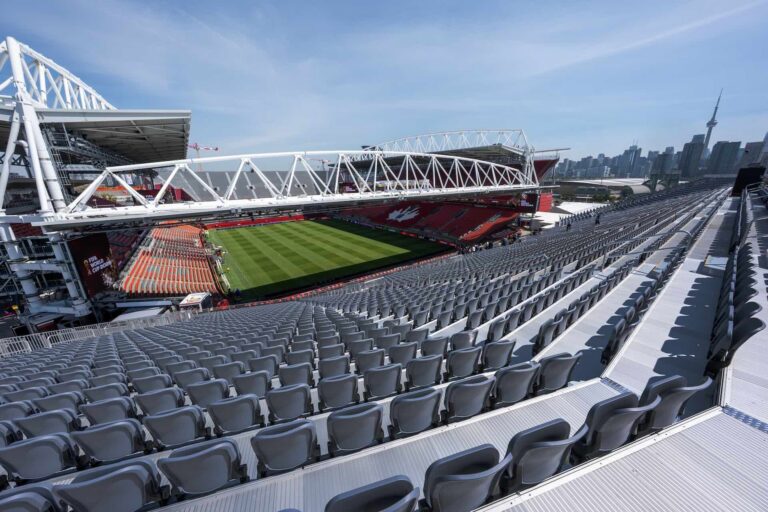
The image shows the inside of Toronto Stadium on a sunny day. The rows of seats are empty; an empty green field is visible.

Toronto and Vancouver aren’t getting a World Cup bookings boom

By Chaimae Chouiekh
A soccer game in progress on a green field, while a crowd of onlookers with several Canadian flags watch.

No, Toronto isn’t spending $10.7M to scalp FIFA World Cup tickets

By Aimée Look

Statistics Canada estimates the sports sector contributed about $8.3 billion in 2024, representing just 0.3 per cent of Canada’s gross domestic product (GDP). While country-by-country numbers are sparse, the data available suggests that figure trails those of several peer countries. “It’s quite stark,” said van Koeverden, a former athlete and 2004 Olympic gold medalist in sprint kayaking. 

A World Economic Forum report published earlier this year found sport accounted for 2.6 per cent of GDP in the United Kingdom in 2021 and two per cent of GDP in Japan in 2024. 
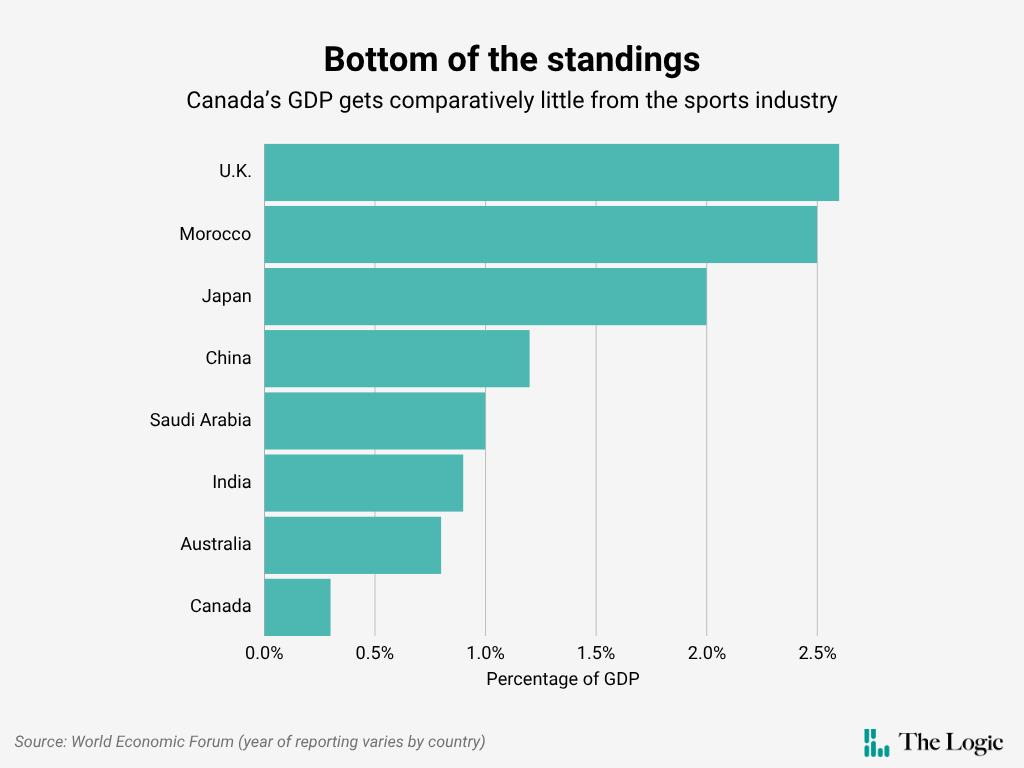
A row chart titled, "Bottom of the standings: Canada's GDP gets comparatively little from the sports industry." The chart shows percentage of GDP from sports by country, depicting data for the U.K., Morocco, Japan, China, Saudi Arabia, India, Australia and Canada. Percentage of GDP for the listed countries fall between 0 and 2.5 per cent, with Canada having the smallest percentage (less than 0.5 per cent).

A World Economic Forum report published earlier this year found sport accounted for 2.6 per cent of GDP in the United Kingdom in 2021 and two per cent of GDP in Japan in 2024. 

The Canadian estimates are conservative, and may underrepresent how sports propel Canada’s economy, said Cheri Bradish, director of the Future of Sport Lab. Traditional sport business models look at the number of visitors that come into the country and how much they spend on average, but leave out other economic activity, she said.

In the case of this World Cup tournament, there’s been less investment in new major facilities than for previous mega events, but the federal government’s decision to kick in $2.1 million for a Canadian Tire Jumpstart program to build 25 community soccer fields across the country will generate economic activity. “It’s a different kind of legacy,” Bradish said. 

For policymakers, the struggle to accurately measure sport’s economic impact complicates decisions about future investments. FIFA estimates the 2026 tournament will generate a $3.8 billion economic boost for Canada, including a $2 billion increase in GDP. But economists caution that many such forecasts overstate the benefits, and few are fully realized.

Large sporting events can displace regular tourism and shift spending that would have occurred elsewhere in the economy, said Scott Neiderjohn, director of the Free Enterprise Center at Concordia University Wisconsin. 

“For example, a visitor who comes to Toronto for a World Cup match may spend money that wouldn’t otherwise have been spent in Canada,” Niederjohn said. “But if local residents simply redirect entertainment spending from other activities to World Cup events, the net gain is much smaller.”

Measuring the long-term impacts can be even more difficult, he said. 

“If Canada sees increased tourism five years after 2026, how much came from World Cup exposure versus exchange rates, airline capacity, immigration patterns or broader marketing campaigns?” Niederjohn said. “That’s where better data would be helpful, but is expensive to acquire.”

A post-mortem report on the 2010 Olympic Winter Games found a small boost in jobs and infrastructure spending, but no evidence of economy-wide gains. The research team at the University of British Columbia that authored the report said they didn’t have enough information to say whether the benefits lasted. 

“There is also insufficient data to conduct a more integrative analysis to show the balance between inputs to host the Games and outputs generated from the Games,” the report stated. 

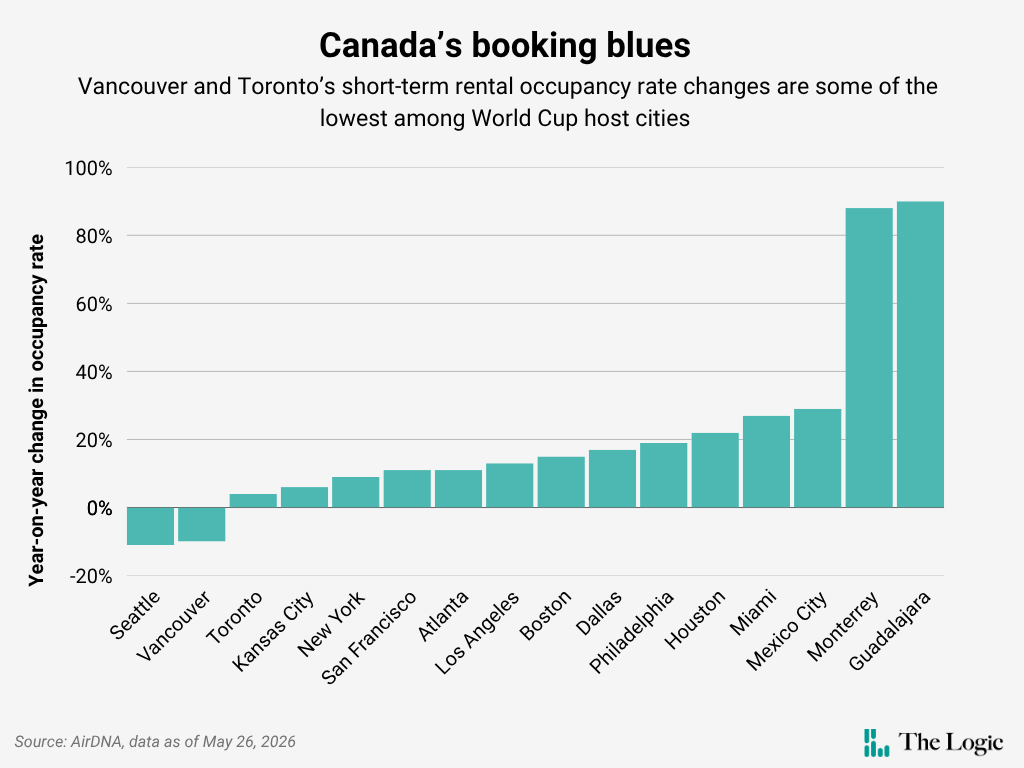
In the case of this year’s tournament, there are signs the event hasn’t generated the immediate surge in tourism and economic activity organizers had hoped. As The Logic previously reported, host cities Toronto and Vancouver have yet to experience the expected hotel-booking boom. Visa approvals for foreign soccer fans also appeared low in the lead-up to the tournament, despite the government’s goal of attracting more than a million visitors.
Some benefits will emerge long after the final match, though, said van Koeverden. 

The federal government contributed $473 million to the tournament, $126 million of which went to upgrading Toronto’s BMO Field and Vancouver’s BC Place and developing FIFA training facilities. Van Koeverden said the improvements are an investment that will let the venues host more conventions, concerts and international sporting events in the future.

Canada intends to pursue other marquee global sports events after the World Cup, van Koeverden added, but wants stronger evidence that those investments generate returns.“We are the best sport hosting nation in the world, but we also want to make sure that that pays off for our economy,” he said. 

Gift the full article

Even with more data, he said not all the benefits will show up in the economic figures. 

“How happy and joyful people are—that doesn’t necessarily factor into these GDP calculations and positive economic outputs,” he said. “But they’re very important and also worthy of investment.”


#economy #National #Toronto #Vancouver

Loading...

Thanks for sharing!

You have shared 5 articles this month and reached the maximum amount of shares available.

Close
This account has reached its share limit.

If you would like to purchase a sharing license please contact The Logic support at [email protected].

Close
Want to share this article?

Upgrade to all-access now

Close
Gift the full article!

You have gifted 0 article(s) this month and have 5 remaining.

Copy link and gift
Copy Link
Email to a friend
Send Email
Gift on Social Media

Recipients will be able to read the full text of the article after submitting their email address. They will not have access to other articles or subscriber benefits.

A wide shot of the Vancouver skyline shot from the east, featuring the Science World geodesic dome painted as a FIFA 2026 World Cup soccer ball. B.C. Place stadium appears on the right side of the frame.

Photo: The Canadian Press/Darryl Dyck

A row chart titled, "Bottom of the standings: Canada's GDP gets comparatively little from the sports industry." The chart shows percentage of GDP from sports by country, depicting data for the U.K., Morocco, Japan, China, Saudi Arabia, India, Australia and Canada. Percentage of GDP for the listed countries fall between 0 and 2.5 per cent, with Canada having the smallest percentage (less than 0.5 per cent).

Most Popular This Week

A head-on shot of James Neufeld seated with others at a round table in a meeting room. Eleanor Olszewski is seated to his left. There's a laptop open in front of Neufeld.
News

For this Alberta tech firm, ‘Buy Canadian’ isn’t working as advertised

By David Reevely
News

Everything you need to know about the debate over stablecoin yields

By Claire Brownell
In this photo illustration, the Manulife company logo is seen displayed on a smartphone screen.
News

Manulife and Intact buck a global trend by reporting AI returns

By Anita Balakrishnan
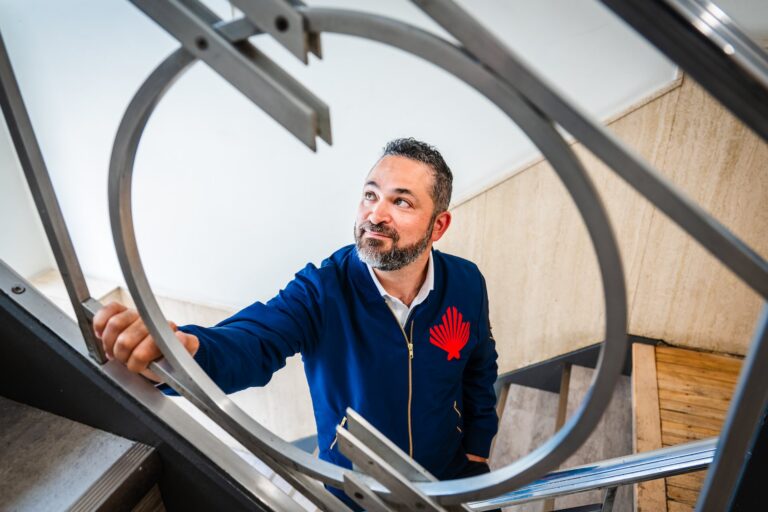
A photo of Daniel Sax shot through a circular piece of ironwork on a stairway balustrade. He's looking off-camera, and is wearing a dark blue jacket bearing his company's logo.
The Big Read

Mining the moon. Selling nuclear reactors. For this Canadian, it’s all part of the plan

By David Reevely

In-depth, agenda-setting reporting

Great journalism delivered straight to your inbox.

A wide shot of the Vancouver skyline shot from the east, featuring the Science World geodesic dome painted as a FIFA 2026 World Cup soccer ball. B.C. Place stadium appears on the right side of the frame.
News

Canada gets low returns from events like the World Cup. Ottawa wants to know why

By Laura Osman

Briefing

MDA Space to buy U.S. spacecraft company Blue Canyon for US$620M

By David Reevely   |   Jun 19, 2026 | 1:26 PM ET

OSFI cuts buffer to free up banks’ capital, says ball is in their court

By Chaimae Chouiekh   |   Jun 19, 2026 | 10:14 AM ET

Liberals force controversial lawful access bill through the House

By Laura Osman   |   Jun 18, 2026

Best business newsletter in Canada

Get up to speed in minutes with insights and analysis on the most important stories of the day, every weekday.

Exclusive events

See the bigger picture with reporters and industry experts in subscriber-exclusive events.

Membership in The Logic Council

Membership provides access to our popular Slack channel, participation in subscriber surveys and invitations to exclusive events with our journalists and special guests.

Recent Popular Stories

News

Manulife and Intact buck a global trend by reporting AI returns

By Anita Balakrishnan   |   Jun 16, 2026
In this photo illustration, the Manulife company logo is seen displayed on a smartphone screen.
Commentary: Quebec Ink

Quebec just found out what not having digital sovereignty really means

By Martin Patriquin   |   Jun 8, 2026
A yellow ambulance is pictured outside of a hospital in Montreal. A red sign in the foreground reads, “Urgence / Emergency.”
News

Canada’s surprise plan to buy Saab command jets leaves competitors seeking answers

By David Reevely   |   May 29, 2026
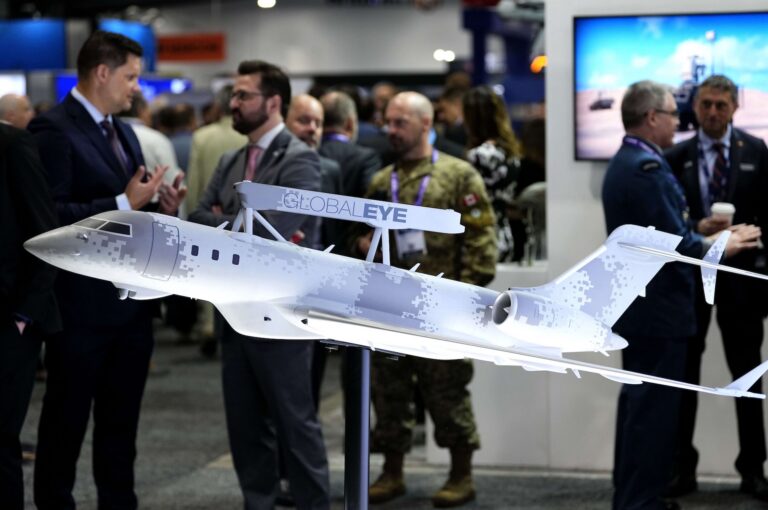
A closeup of a scale model of a jet covered in pixellated camouflage, with sensor equipment attached to the top of its fuselage. There are civilians and uniformed military personnel milling in the background.
The Big Read

Mining the moon. Selling nuclear reactors. For this Canadian, it’s all part of the plan

By David Reevely   |   Jun 12, 2026
A photo of Daniel Sax shot through a circular piece of ironwork on a stairway balustrade. He's looking off-camera, and is wearing a dark blue jacket bearing his company's logo.
News

Canadians could demand firms delete their personal data under new privacy bill

By Laura Osman   |   Jun 15, 2026
Evan Solomon in a suit and tie, gesturing with his left hand as he speaks, Several people sit and stand behind him looking in other directions. There's an orange curtain behind him lit from above.
The Big Read

We found every data centre in Canada

By Murad Hemmadi, David Reevely, Aleksandra Sagan, Chaimae Chouiekh, Martin Patriquin and Catherine McIntyre   |   Apr 8, 2026
Four vertical slices of aerial view photos. From left, a building in downtown Toronto housing several data centres, a picture of the Albertan wilderness where the proposed Wonder Valley data centre would go, a lit-up QScale data centre in Quebec, and a data centre at a Hydro-Quebec dam.

Canada's most influential executives and policymakers are reading The Logic

  • CPP Investments
  • Sun Life Financial
  • C100
  • Amazon
  • Telus
  • Mastercard
  • bdc
  • Shopify
  • Rogers
  • RBC
  • General Motors
  • MaRS
  • Government of Canada
  • Uber
  • Loblaw Companies Limited
logic-logo

Canada's Business and Tech Newsroom

100% human-crafted journalism

Newsroom

  • News Tips
  • AI Policy
  • Editorial Disclosures
  • Story Pitches

Company

  • About Us
  • Terms of Service
  • Privacy Statement
  • Corporate Information

Contact

  • Contact Us
  • Advertise
  • FAQs
  • Work at The Logic

© 2026 The Logic Inc. All Rights Reserved.

Trusted by leaders

Error

Account creation failed.

Please email us at [email protected].

Create Account

[wppb-register form_name=”cozmo-registration-form-for-modal”]

I do have an account
Login
or

[wppb-login]

I don’t have an account