Listen Now
0:00
TORONTO — Chip giant AMD is buying Toronto-based Taalas, a startup developing chips to run generative AI models faster and more efficiently.
The deal lands the U.S. firm new technology as it competes against market leader Nvidia and a host of new players in the compute market. It also adds to AMD’s considerable Canadian presence and marks a homecoming for Taalas CEO Ljubisa Bajic, who spent much of his career at AMD before leaving to launch chip startups.
Related Articles
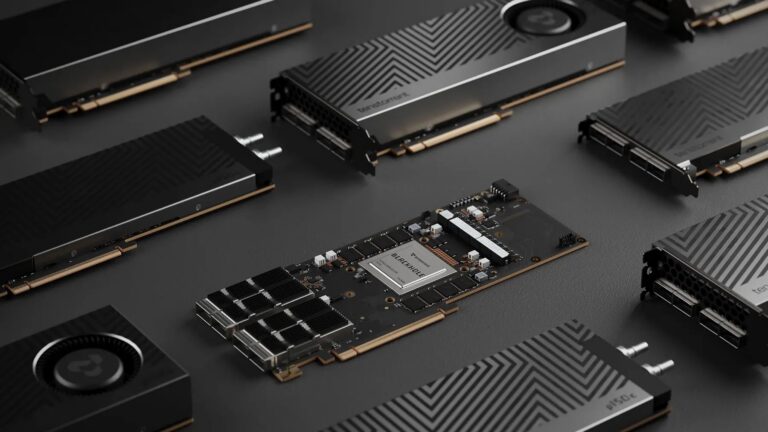
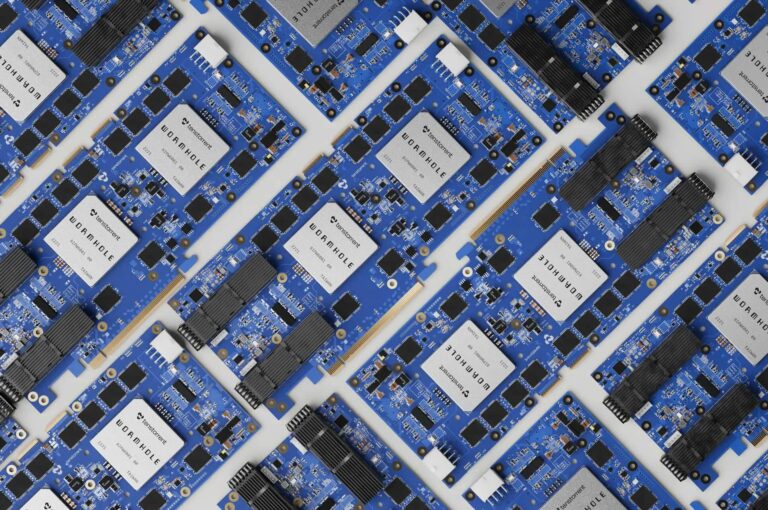
Founded in August 2023, Taalas set out to make processors for inference, the stage of AI when an already-trained model generates answers, code or other outputs. The firm programmed the AI systems right into its processors, which it claimed meant applications used a lot less compute and power. Its first product was designed for a specific version of Meta’s open source Llama model.
AMD will integrate Taalas’s technology into its plans for future chips, as well as the software for its existing ones.
In February, Taalas announced a US$169-million funding round from backers including Quiet Capital and Fidelity. It raised US$228.6 million in total according to Pitchbook data. Santa Clara, Calif.-headquartered AMD did not disclose financial terms of the deal.
Before Taalas, Bajic founded another inference chip firm, Tenstorrent, in Toronto in March 2016. He handed off the CEO role in January 2023 to Jim Keller, an early investor and well-known chip executive. That November, Tenstorrent redomiciled to the United States, and moved its headquarters to Santa Clara.
AMD’s acquisition of Taalas means Toronto has now lost all three of its high-profile chip startups. The third, Untether, closed in June 2025 after AMD struck a deal to acqui-hire its engineering staff. As The Logic first reported, Nvidia also acquired CentML, which developed software to optimize how AI models run on chips.
AMD already has a large presence in Canada. It has had a major office in Markham, Ont. since buying homegrown player ATI Technologies in July 2006. It’s also invested in Canadian tech companies including AI firm Cohere and quantum computer maker Xanadu.
AMD is a distant second place to Nvidia in the market for graphics processing units (GPUs), which most tech firms use to train and run AI models. However, AMD has recently landed a number of major clients, including leading labs OpenAI and Anthropic.
As inference overtakes model training in terms of AI spending, several established and new hardware players see room to make money. Nvidia itself acqui-hired chipmaker Groq in December, while San Jose-based Etched has raised over US$1 billion for new inference hardware from backers including Toronto’s Radical Ventures and Cohere CEO Aidan Gomez.