Most economists probably missed one of the most important economic indicators released this week.
Skip to content

Commentary
Carmichael: Canada’s economy needs to touch grass
Accountants and economists have a hard time putting a price on the environment, but a new report should be cause for alarm
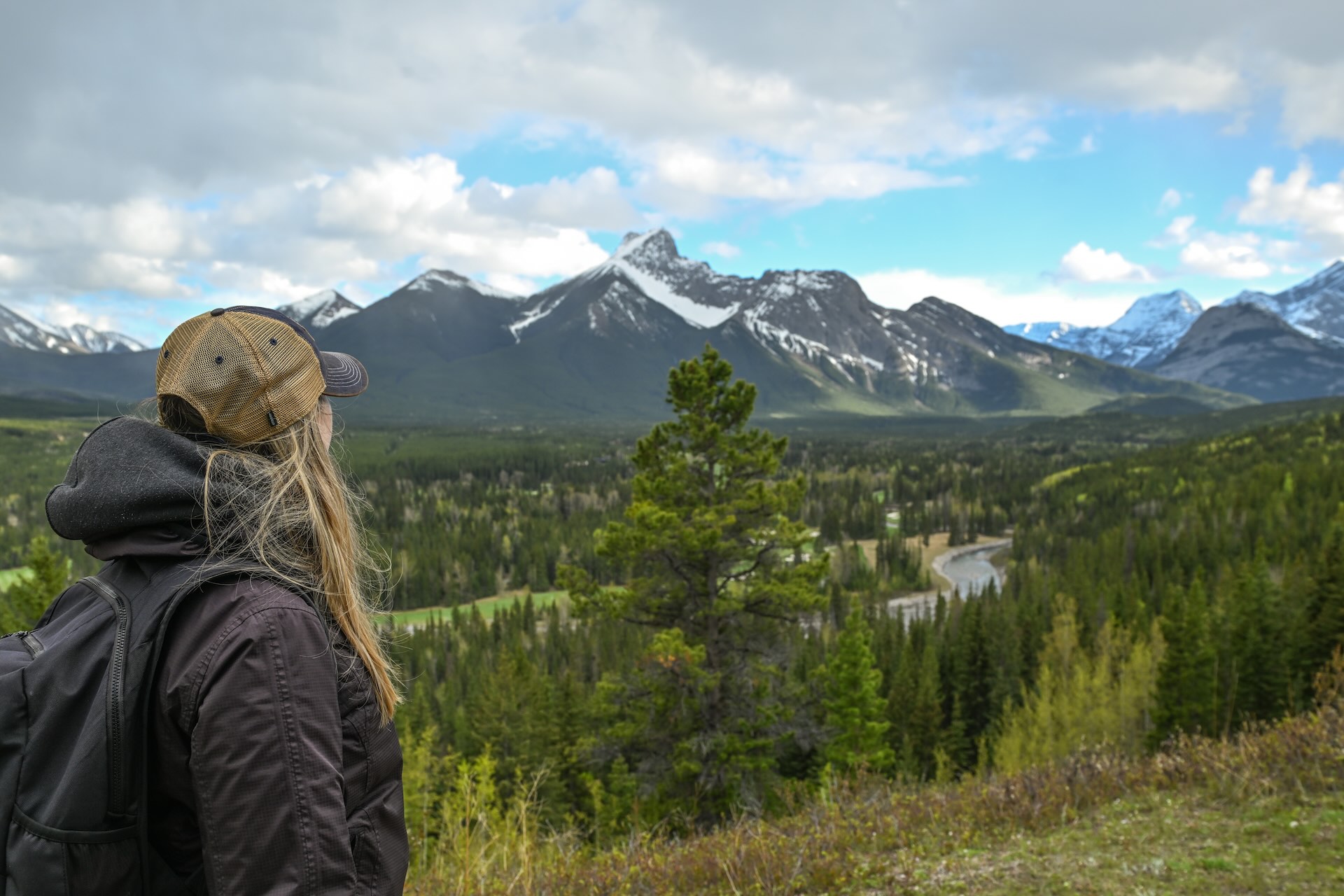
A scenic view from Kananaskis Village, Alberta, looking toward Mount Kidd in the Canadian Rockies in May 2025. Photo: NurPhoto via Getty Images/Artur Widak
Most economists probably missed one of the most important economic indicators released this week.
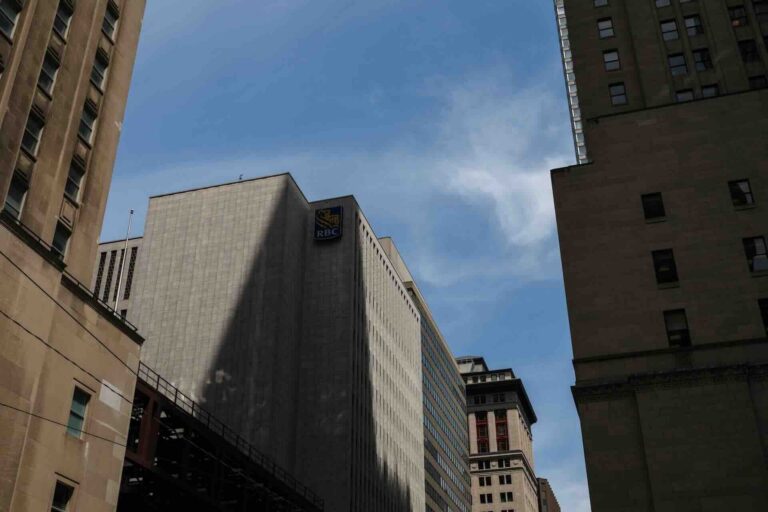
Bay Street was all over Statistics Canada’s latest tally of gross domestic product. The agency said Friday that the value of the goods and services produced by the country’s industries increased 0.2 per cent in July—and was unchanged in August, according to an incomplete accounting of economic activity last month.
Weak numbers, but nevertheless they provide additional evidence that the economy continues to resist the recession that so many thought was inevitable when U.S. President Donald Trump began his assault on the global economy.
Related Articles

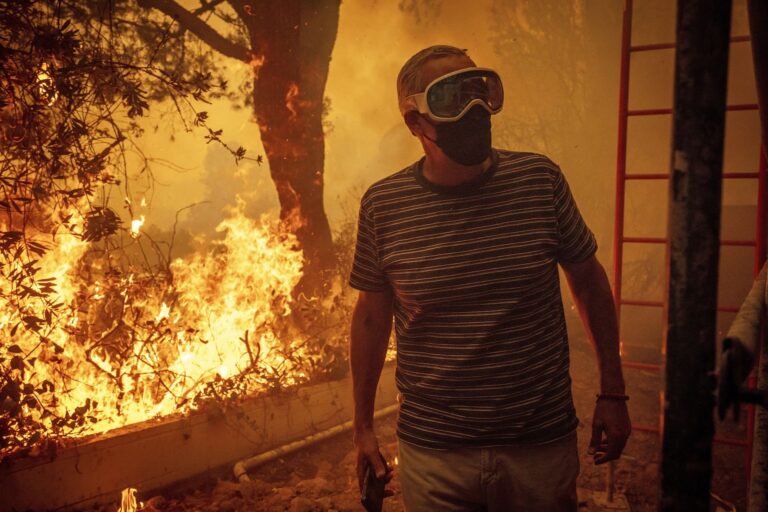
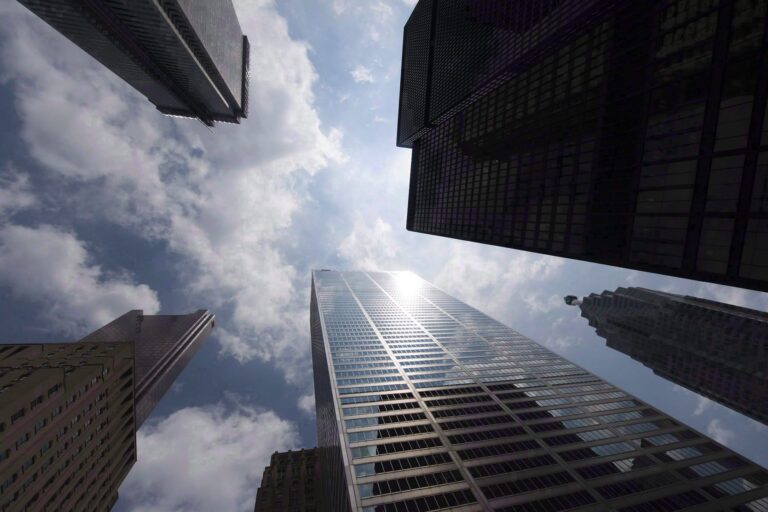
The same can’t be said of the natural world, an incredible store of wealth yet one that is chronically underappreciated because accountants and economists—and therefore those informed by them—have a hard time putting a price on nature.
“There is no conceptual dissent from the idea that nature is fundamental to the economy,” University of Cambridge economist Diane Coyle observed in her book The Measure of Progress, a critique of the mainstream approach to national accounting. “The economic theory is solid and widely accepted. However, it is not mainstreamed,” she continued. “Data gaps are possibly part of the reason that all economics is not yet environmental economics.”
Coyle’s observation explains why new evidence of the ongoing recession in the natural world received relatively little attention. The Canadian arm of the World Wildlife Fund (WWF) updated its Canadian Living Planet Index this week. If it were as central to economic life and policymaking as the consumer price index, we’d be in a panic because it signals something akin to chronic deflation.
The WWF’s index tracks the percentage change in wildlife populations since 1970. The latest reading, based on the most comprehensive counts to date, suggests the average vertebrate populations have declined 10 per cent over the past five decades.
For the sake of comparison, the consumer price index, which tracks the cost of purchasing goods and services, has increased nearly 90 per cent since January 1970. The complexity of humanity’s interaction with the rest of the planet argues against making too much of the contrast. However, it’s simply a fact that the inflation in the value of material goods and services has been fuelled by the exploitation of scarce natural resources.
Economist Christina Caron thinks the depletion of natural capital might even explain stagnant productivity growth in advanced economies, a malaise that is especially pronounced here in Canada.
Caron observes in a paper published in the International Productivity Monitor in 2024 that a “fundamental transformation” occurred in the second half of the 20th century, the point at which humanity’s demand for stuff exceeded the planet’s ability to supply the raw ingredients. That is, natural capital went from “productivity booster” to “productivity decelerator.”
Echoing Coyle, Caron says we missed the turn because conventional economics didn’t account for natural capital. We’re better at it now—the United Nations adopted the System of Environmental Economic Accounting in 2012. But inertia is a powerful force. GDP remains the standard by which we measure wealth and progress, even though everyone agrees it does a poor job at capturing true value. The opportunity cost of such willful blindness is continued erosion in our quality of life. “Additional declines in natural capital are likely to depress productivity growth further,” Caron writes.
I don’t want to come off as especially enlightened on all of this. If not for a deadline, I would have reflexively typed something about the monthly GDP numbers, and I almost certainly would have missed the nature index report if a friend hadn’t asked me to participate in an event that WWF-Canada hosted in Toronto on Monday. I had taken note of Caron’s report, but hadn’t read it, and I skipped ahead in Coyle’s book to learn what she had to say about natural capital.
A few days of intellectual grazing were enough to determine that it’s past time to make nature part of the conversation about how to build an economy that is more resilient to threats of annexation and tariff harassment. In preparation for the WWF event, I was asked to be ready to take a question on the opportunities for conservation and clean technology when the federal government has a mandate to “build, baby, build.”
The report that RBC’s Climate Action Institute published this week would have made answering that question easier. Lisa Ashton, the study’s author, put the value of global GDP influenced by nature at $78 trillion, or roughly half the total. If the numbers are that big, then even the most complacent countries and companies will take note.
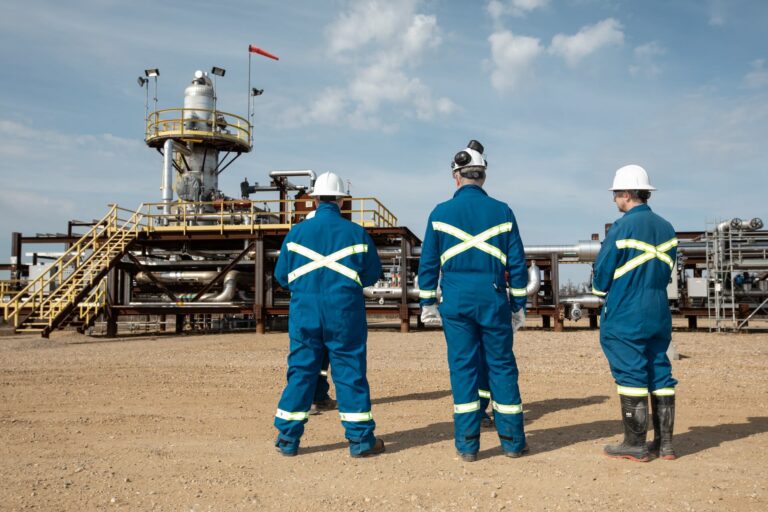
But even without the aid of more expert research, it was evident that attaching a higher value to nature could accelerate the overhaul of Canada’s economy in three important ways.
Reconciliation with Indigenous Peoples isn’t an economic strategy on its own, but it will lead to investment and economic development worth tens of billions of dollars. Respect for nature is the key that unlocks that opportunity because many First Nations will insist on it.
The agriculture and food sector is a chronic underperformer, and biodiversity will be essential in turning the industry around. Climate change will lengthen the growing season in Canada, but new crops or higher yields will require healthy soil, vibrant populations and vibrant populations of pollinators. Tourism helped turn around the Spanish economy. Canada’s revenue from services exports of that kind is growing much faster than merchandise trade, but fully capitalizing on tourism will require protecting what visitors come here to see.
Conservationists like those at WWF are understandably apprehensive about the pace at which Prime Minister Mark Carney appears to want to build things. The two agendas needn’t be in opposition. Creating a resilient economy will mean rebuilding Canada’s reserves of natural capital. But having that conversation will require finding a common language. GDP is too primitive to carry a nuanced conversation.
Kevin Carmichael is The Logic’s economics columnist and editor-at-large. He has spent more than two decades covering economics, business and finance for outlets including Bloomberg News, The Globe and Mail and the Financial Post, where he also served as editor-in-chief.



Loading...
Thanks for sharing!
You have shared 5 articles this month and reached the maximum amount of shares available.
CloseThis account has reached its share limit.
If you would like to purchase a sharing license please contact The Logic support at [email protected].
CloseGift the full article!
You have gifted 0 article(s) this month and have 5 remaining.
Recipients will be able to read the full text of the article after submitting their email address. They will not have access to other articles or subscriber benefits.
Photo: NurPhoto via Getty Images/Artur Widak
Most Popular This Week




In-depth, agenda-setting reporting
Great journalism delivered straight to your inbox.
Commentary
Carmichael: Canadian ignorance about India is a strategic weakness
Briefing
Aritzia shares pop after earnings rise 204%
First Nation in Alberta goes to court over fast-tracked oil pipeline
Chinese EV maker Geely Auto Group to launch in Canadian market in 2027
Best business newsletter in Canada
Get up to speed in minutes with insights and analysis on the most important stories of the day, every weekday.
Exclusive events
See the bigger picture with reporters and industry experts in subscriber-exclusive events.
Membership in The Logic Council
Membership provides access to our popular Slack channel, participation in subscriber surveys and invitations to exclusive events with our journalists and special guests.