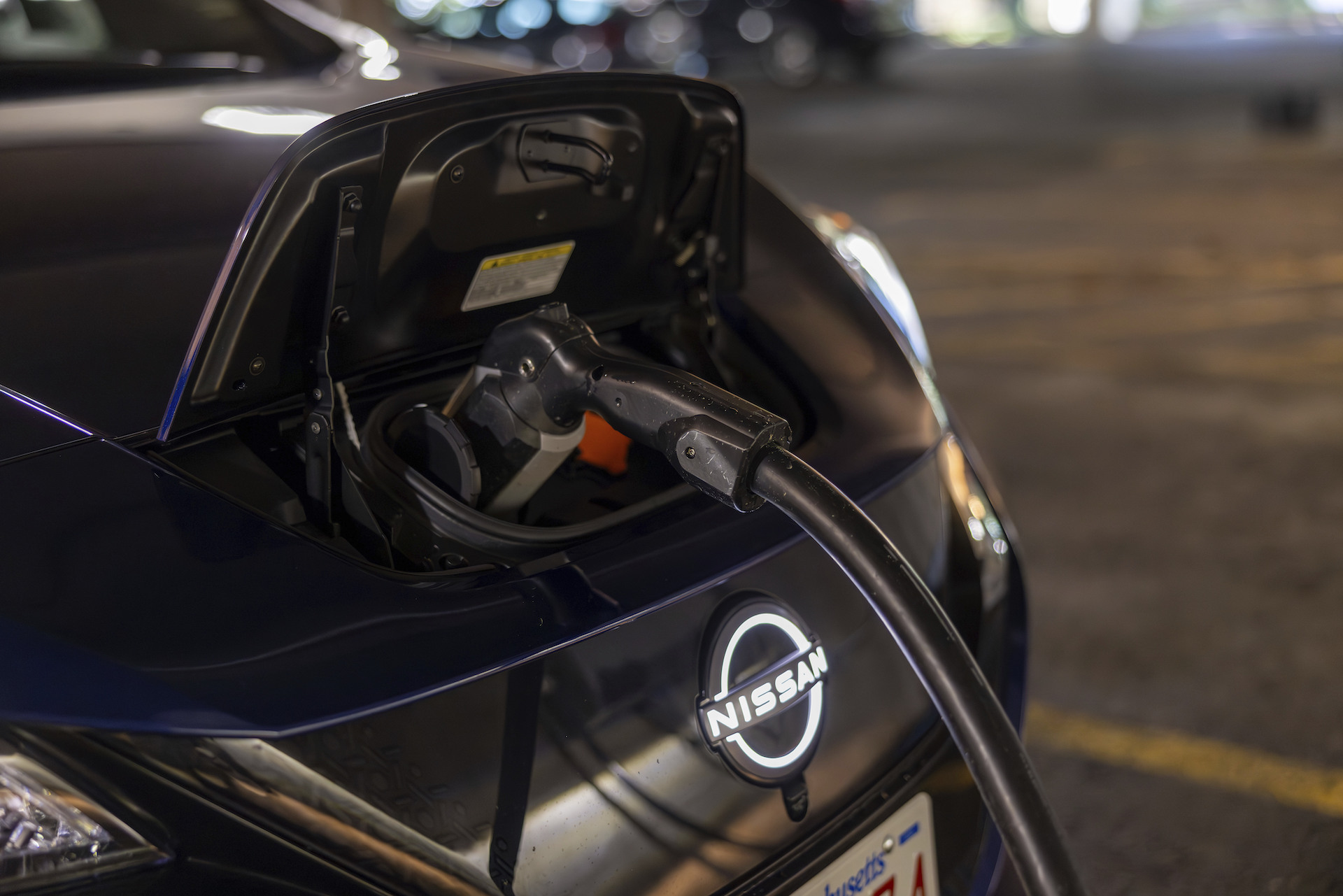
When I’m shopping online, I sigh with relief when I see Shop Pay or, better yet, Apple Pay. If only it were as easy to pay to charge an EV.
I’ve no special affection for Shopify or Apple, but I do dread entering my payment information into random websites, which feels both inconvenient and like an added cybersecurity risk each time. Apple Pay adds biometric security and means I don’t have to pull out a card in every checkout line.
Charging an EV, however, still often means signing up for accounts or apps with different networks or waiting for an access card to come in the mail.
EVs’ “roam like home”—the killer app for drivers?: Just as travelling with your cell phone usually means either grabbing a new SIM card or hoping your phone carrier has a roaming deal with a local network, an EV road trip might bring you places where your typical charging network isn’t popular, leaving you to sign up for a new service out in the wild.
More EV charging providers are letting users of other regional charging networks roam on theirs without all the sign-ups and sign-ins. Hydro-Québec’s Electric Circuit and BC Hydro announced last month they were launching Agora, an initiative backed by Natural Resources Canada.
“Although the concept is still at its early stage, Agora’s main goal is to create awareness … that in Canada, it is possible for EV drivers and commercial fleet managers to use a single account to connect on multiple charging networks,” said the group’s announcement. Agora has the support of a host of industry players, including Nissan, Ontario’s Ivy Charging Network, SWTCH, ATCO, NB Power and others. “EV roaming is a pillar of the electrification of transportation by allowing access to a maximum number of public charging stations.”
As part of the initiative, NRCan made a small investment in the parent company of Quebec-based ChargeHub, whose EV passport app lets users charge on multiple networks.
The idea is “you can pick your favourite app or your favourite system, and then use other networks using that one app,” said Olivier Proulx, co-founder and CTO of Mogile Technologies, ChargeHub’s parent company.
Plug & charge (both your card and your car): ChargeHub also started working last month on a separate “emerging” technology for EV charging payments called plug and charge, which would let drivers start charging without fussing with a phone or card. The charging point and car communicate directly with each other to transmit payments.
It’s a feature more vehicles are beginning to support, including the Ford Mustang Mach-E and Porsche Taycan. Electrify Canada has been trying the technology with Lucid, and Quebec EV charger firm Flo is also working on its own plug-and-charge payment system.
There’s a broader push by companies like BlackBerry to turn cars into devices with secure payment-processing software. When I lamented that cars can’t store your payment data like Shop Pay or iPhones and Apple Watches, Niels Haverkorn, Irdeto’s senior vice-president of connected automotive, said that plug-and-charge is based on the same concept: public key infrastructure. The cybersecurity firm is helping companies like ChargeHub incorporate payment technology into EV charge points.
Making sure people can use more charging networks isn’t just a matter of more convenience, as Canada plows money into building EV charging infrastructure.
“If you look at some of the green ambitions that North America has, that Canada has, but also that Europe has, it means interoperability between all the charging stations is vital to make sure that the charging infrastructure is utilized to its full potential,” said Haverkorn in an interview. “Green agendas also driven by governments—also lots of subsidies … are hinging on that.”
Read Shift—The Logic’s authoritative weekly newsletter on automotive technology industry news—for more; and if you know someone who should be reading it, they can sign up here.