The Center for AI Safety’s 23-word statement on AI’s risk to humanity was succinct, punchy and attention-grabbing—and that’s a problem, said Sara Hooker, head of the non-profit research lab Cohere for AI.
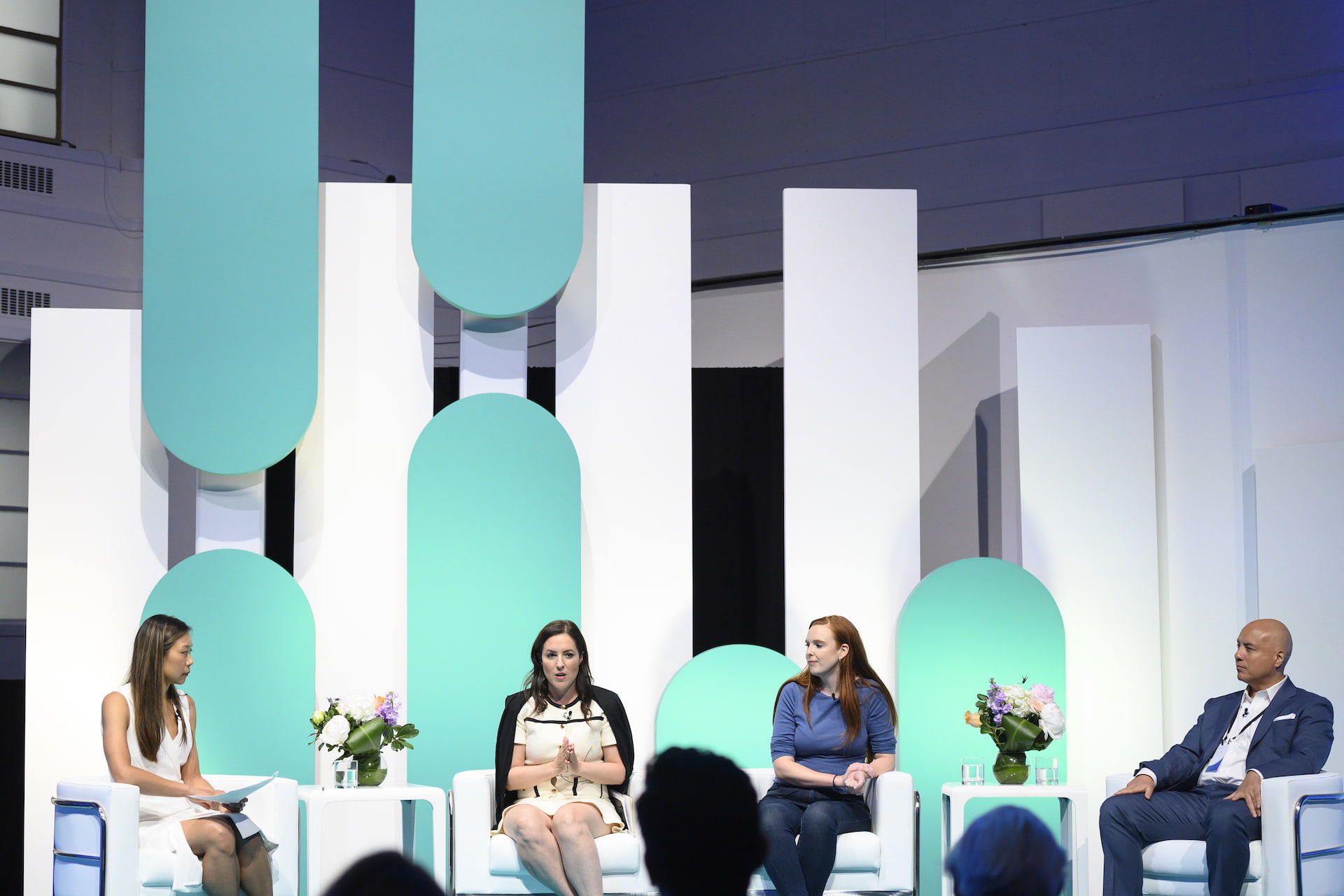
“The fact you can relay an entire statement in a panel is a reason I didn’t sign it,” Hooker said at a panel on the risks, opportunities, ethics and politics of the much-hyped technology, held Monday at The Logic Summit in Toronto. “I’m hoping that as a technical field, we can have a more serious discussion.”
Talking Point
- Shelby Austin, co-founder and chief executive of Toronto-based Arteria AI, and Sara Hooker, head of the non-profit research lab Cohere for AI, said The Center for AI Safety’s 23-word statement on the technology’s risk to humanity is harming the quality of debate and causing unnecessary anxiety at The Logic Summit in Toronto
Generative AI has been at the peak of the hype cycle since the November launch of OpenAI’s ChatGPT, an artificial intelligence chatbot that can write code, pen poetry, pass legal exams and facilitate medical diagnoses. The technology holds the potential to help humanity make giant leaps forward in science, medicine and productivity.
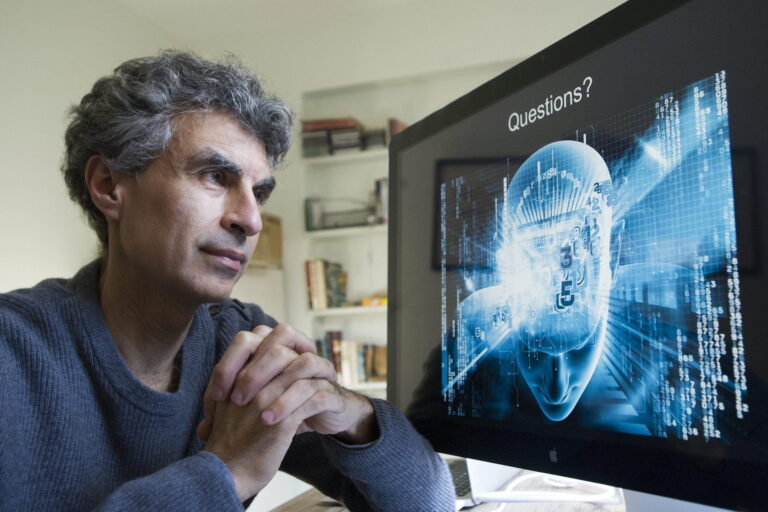
However, the statement, signed by Canadian AI pioneers Geoffrey Hinton and Yoshua Bengio among others, urges caution: “Mitigating the risk of extinction from AI should be a global priority alongside other societal-scale risks such as pandemics and nuclear war.”
Read more from The Logic Summit:
Hooker and fellow panelist Shelby Austin, co-founder and chief executive of Toronto-based Arteria AI, are among those AI leaders who think there’s too much focus on the technology’s apocalyptic potential—the prospect of it killing us all, or at least taking all our jobs. Austin said historically, technological progress creates jobs, which will likely be true for AI as well.
“That doesn’t mean the person who does lose their job won’t feel it,” Austin said. “People are genuinely scared.”
Though they agreed there’s no need to stay up at night worrying about, as Austin put it, “evil robots with red eyes,” the panelists said the technology is shaping up to be transformative.
In terms of potential impact, “this is like nuclear weapons,” said Daniel Araya, a senior fellow at the Centre for International Governance Innovation think tank. “It’s like electricity, the combustion engine.”
Hooker said researchers need to get better at communicating the risks and promise of AI in the present to help policymakers set the industry, and humanity, up for success.
“Otherwise, we end up with one-paragraph statements that are read on stages all over the world,” she said. “Unfortunately, that’s not the type of policymaking we need.”