Listen Now
0:00
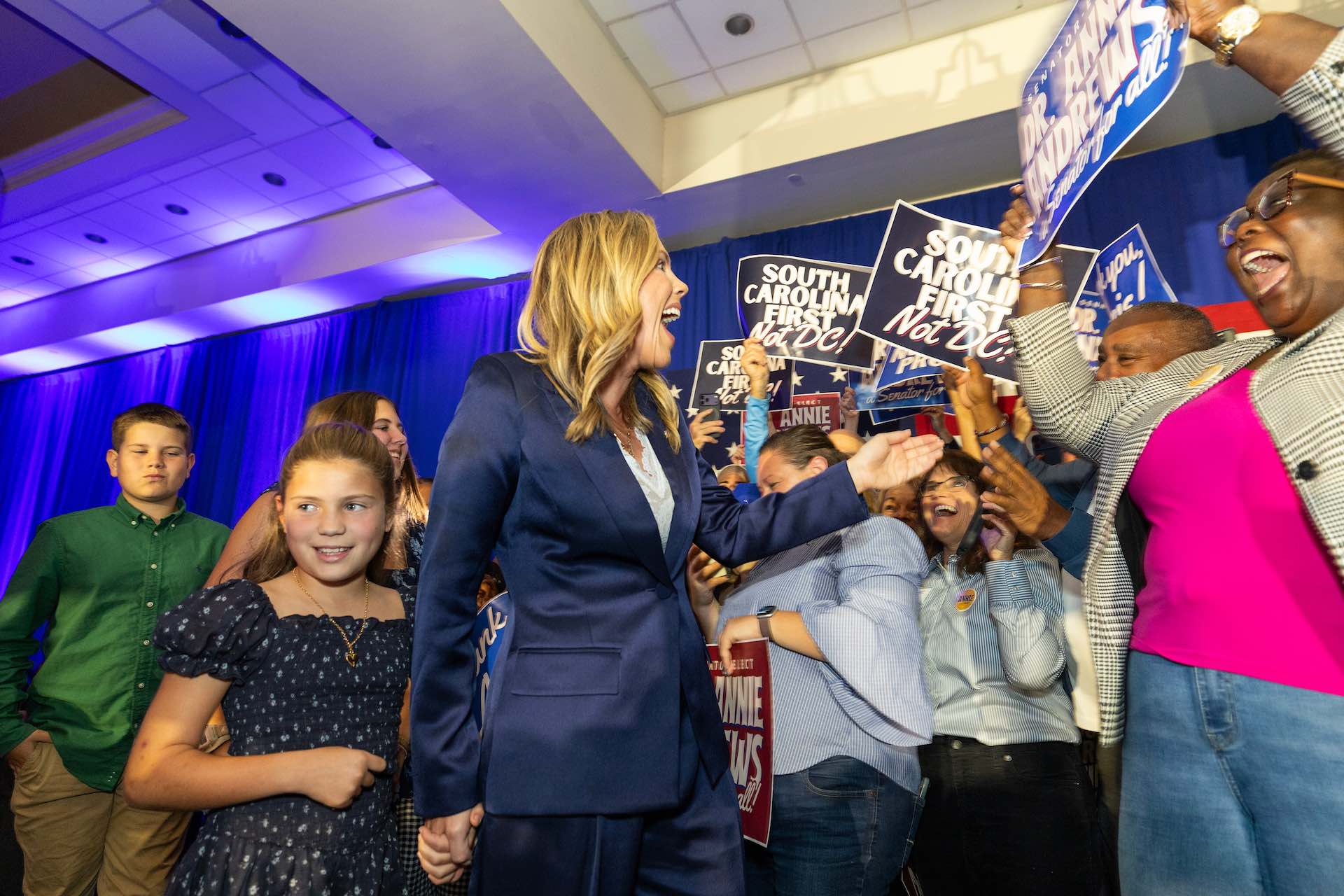
OTTAWA — Democrats won control of the U.S. Congress in a stunning rebuke of President Donald Trump that will create ripple effects for the Canadian economy—and restore hope for a better bilateral relationship—even if the dream of repealing tariffs remains out of reach.
Bruce Heyman, who was U.S. ambassador to Canada under Barack Obama, urged the new Congress to prioritize making things right. “Canada is our neighbour, our friend and an essential partner,” Heyman wrote Tuesday night. “The work of reconciliation should begin now.”
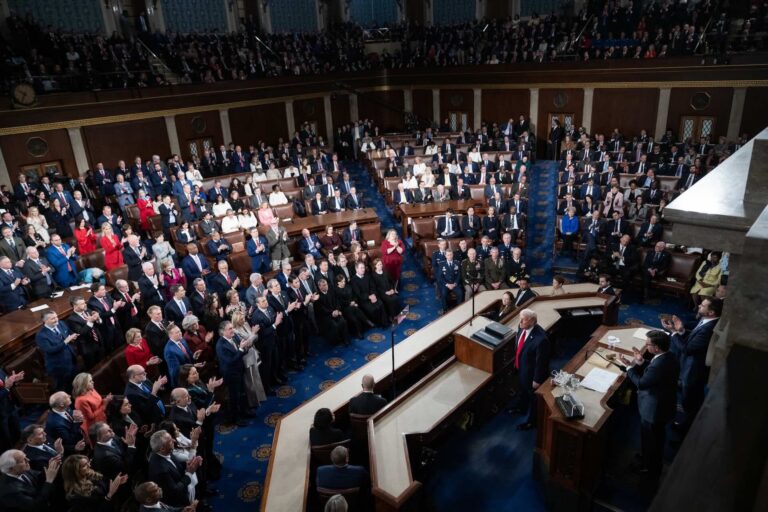
The president still wields a lot of power. He plans to use it. On his Truth Social platform late Tuesday night, Trump shared an image of a red, MAGA-style ball cap emblazoned with a single, all-caps word: VETO. Neither the House of Representatives nor the Senate elected enough Democrats to reach the two-thirds supermajority they would need to override such a move.
Related Articles

Tariffs on the campaign trail
The rising cost of living made the trade war a major campaign issue in several border states. In Maine, incumbent Republican Susan Collins lost her Senate seat to Democratic candidate Troy Jackson even after Trump tried to help by lifting duties on some Canadian goods.
“These elections should be a nail in the coffin for price-hiking tariffs,” Dan Anthony, executive director of We Pay the Tariffs, a coalition of some 1,200 small businesses in the U.S., said Wednesday in a statement urging Congress to deliver real cuts to duties.
If affordability remains a pressing concern, Democrats will likely step up their resistance to tariffs through symbolic legislative moves and congressional committee probes. Yet Democrats, who have historically been protectionist themselves, do not have the power to claw back the executive trade authorities that Trump used to slap tariffs on Canadian goods.
Remaining threats
Those statutes are being challenged in court, but more damaging tariffs could land well before that process plays out. In August, Trump threatened to double the Section 232 tariffs on Canadian cars and trucks to 50 per cent starting Jan. 1. He said he would extend those duties to auto parts, ending a carve-out through the Canada-United States-Mexico Agreement. Last month, an executive at Honda Motor said doubling the tariffs on Canadian auto imports would be “catastrophic” for the entire auto industry and that she hoped it would not come to pass.
Trade talks
That gives Canada a reason to keep trying to secure a deal.
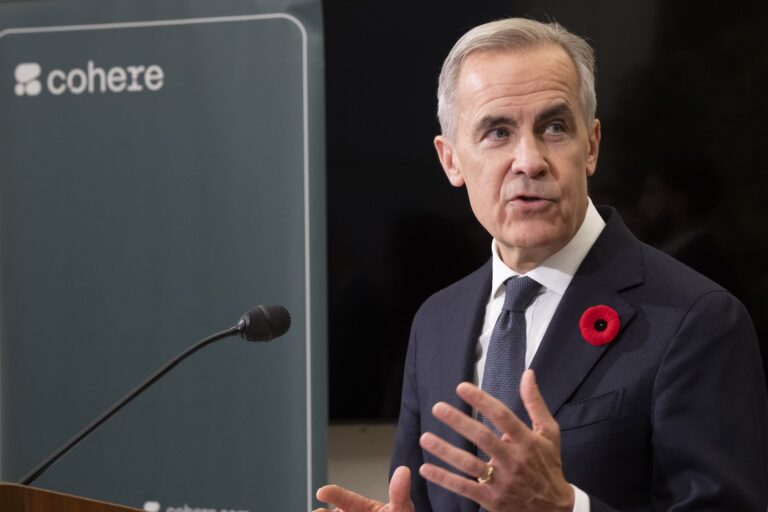
Prime Minister Mark Carney said Tuesday that Canada and the U.S. have come closer to reaching a deal on tariffs, saying the White House has backed away from some of the “red lines” that led him to call off talks in August. “They’re asking less and they’re offering more, but we’re not quite there,” Carney said at the Commonwealth summit in Antigua. Last week, however, Carney told Politico he was willing to wait for a new U.S. president if need be.
Data centres
The election results also spell trouble for Trump’s desired “era of super intelligence,” as dozens of towns and counties passed ballot initiatives restricting, or outright banning, data centre development. In Texas, Gina Hinojosa made opposition to data centres a key plank in her gubernatorial campaign. She ousted Republican incumbent Greg Abbott on Tuesday night to become the first Democrat to lead the Lone Star State in decades.
Democrats are expected to push for stronger regulation of AI and more scrutiny over data centre development. Share prices for some AI firms fell on Wednesday. That could prompt hyperscalers to take a greater interest in building data centres in Canada.
Climate and energy
The Liberals under prime minister Justin Trudeau responded to the 2022 U.S. Inflation Reduction Act with billions of dollars worth of tax credits to prevent capital flight, as well as production subsidies to attract projects such as the Volkswagen-backed EV battery gigafactory in St. Thomas, Ont. Trump’s “drill, baby, drill” agenda has obliterated many assumptions and dampened demand for renewables and EVs. It also upped pressure on the Liberals to adjust climate policies to remain competitive, leading them to scrap the oil-and-gas emissions cap.
With Democrats now in control of Congress, expect stronger defence of U.S. environmental regulations and what remains of the tax incentives in the Inflation Reduction Act, including advanced manufacturing credits to lower the cost of EV production.
A key tax measure
The Qualified Small Business Stock exclusion is a U.S. tax benefit that exempts up to 100 per cent of long-term investments in high-growth domestic firms from taxes on capital gains. The Council of Canadian Innovators asked for a similar measure in the federal budget to encourage entrepreneurship and patient capital by rewarding founders and their early backers.
The tax benefit has helped give the American startup ecosystem an advantage over Canada’s, and last year the U.S. created even more daylight between the two tax regimes by expanding the exclusion in the One Big Beautiful Bill Act. Yet Sen. Elizabeth Warren, a Democrat whose Massachusetts seat was not up for election Tuesday, has opposed the benefit’s expansion, arguing the tax break disproportionately favours wealthy venture capitalists and tech founders. The longtime Democrat is reportedly looking to play a bigger role in Senate leadership, where she could push to relitigate the expanded tax treatment.