Listen Now
0:00
OTTAWA — Canada’s colleges plan to set up workforce development centres in India that would train people in the South Asian country to Canadian standards for jobs in aviation, artificial intelligence and other sectors Ottawa and New Delhi view as key to future collaboration.
Whether the ultimate goal is to put those newly skilled people to work in Canada or India, however, depends on who you ask.
While trade negotiators have been talking tariffs and quotas in the push to reach a Comprehensive Economic Partnership Agreement by the end of this year, Universities Canada and Colleges and Institutes Canada have been working with Indian partners to flesh out a separate project to strengthen ties: the Canada-India Talent and Innovation Strategy.
Talking Points
- Colleges and Institutes Canada is hoping to set up workforce development training centres in India that align with Canadian standards in key sectors including AI, aerospace and nuclear energy as part of a bilateral talent and innovation strategy
- The push for stronger people-to-people ties alongside wider trade talks comes amid a sharp drop in the number of Indian students enrolling in Canadian post-secondary institutions after Ottawa moved to restrict the number of study permits
The goals of the strategy, which launched days before Prime Minister Mark Carney met India’s Prime Minister Narendra Modi in New Delhi in March, are four-fold: to bring Canadian skills and expertise to priority industries in India; to better balance the movement of skilled professionals from one country to the other; to get economic benefit from that know-how and, finally, to do it all quickly.
On their face, trade statistics suggest Canada is already providing a lot of expertise to India. Its exports in services to the South Asian country reached $15.6 billion in 2024—a dozen times higher than a decade earlier and growing much faster than merchandise trade. Travel exports made up 93 per cent of that category, however, which was linked to a rise in international students. In 2023, nearly 52 per cent of Canada’s incoming international students were from India.
Related Articles

Citing the exploitation of students by some private colleges, the Liberal government slashed the number of study permits for all international students the following year and restricted access to postgraduate work permits. By 2025, the number of incoming students from India had dropped to eight per cent. Canada’s services exports to India began to slow.
Two full academic years since that reckoning, the marketing of education to international students remains an issue both Ottawa and New Delhi are approaching with care.
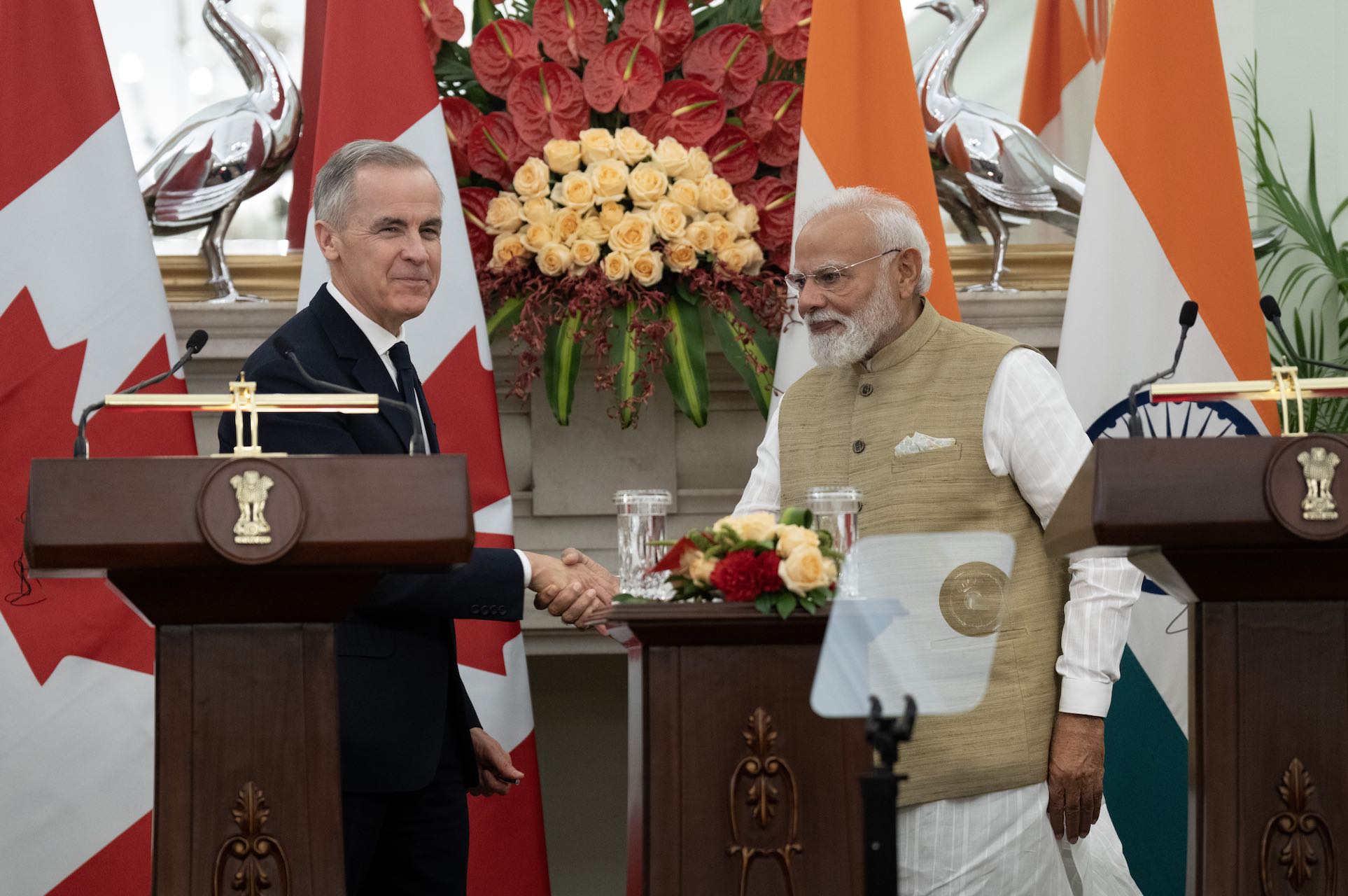
Both countries want to keep growing their people-to-people ties, not least to help amass the workforce Canada will need to build its major infrastructure projects, Dinesh K. Patnaik, India’s high commissioner to Canada, said in a recent interview. But they aim to do so, he said, without repeating the problems of the past, which Patnaik blamed on “unscrupulous academies,” and on Canada dropping the ball on thoroughly vetting students seeking study permits.
“It’s important that we put in place a proper talent and innovation strategy, which allows for the best of talent to move across, both as students as well as short-term workers, without hampering the immigration system of Canada,” he said.
Pari Johnston, the president and CEO of Colleges and Institutes Canada, told The Logic that New Delhi views the strategy through the lens of “Viksit Bharat @2047,” which refers to Modi’s vision of India reaching the status of a developed country by the centenary year of its independence from British rule. That includes growing the economy to at least US$30 trillion by that time.
“One of the things they’ve recognized is that their education system needs to rebalance and focus on more industry-aligned technical vocational training,” Johnston said of India, which has the largest youth population in the world. Her organization is focused on the part of the strategy aimed at bringing Canadian expertise and skills to India’s priority sectors. “They have thousands of Indian technical institutions, and they’re now really investing in leveling them up.”
Colleges and Institutes Canada has been working with India’s skills development ministry on a plan to set up centres of excellence in India in sectors of shared interest to both countries: AI, critical minerals, agricultural tech, aerospace and clean energy, including nuclear reactors. The details are still being hammered out, but the general idea is to have the Indian partner provide the brick-and-mortar location while the Canadian college or polytechnic helps develop and deliver the curriculum and training, including through remote learning.
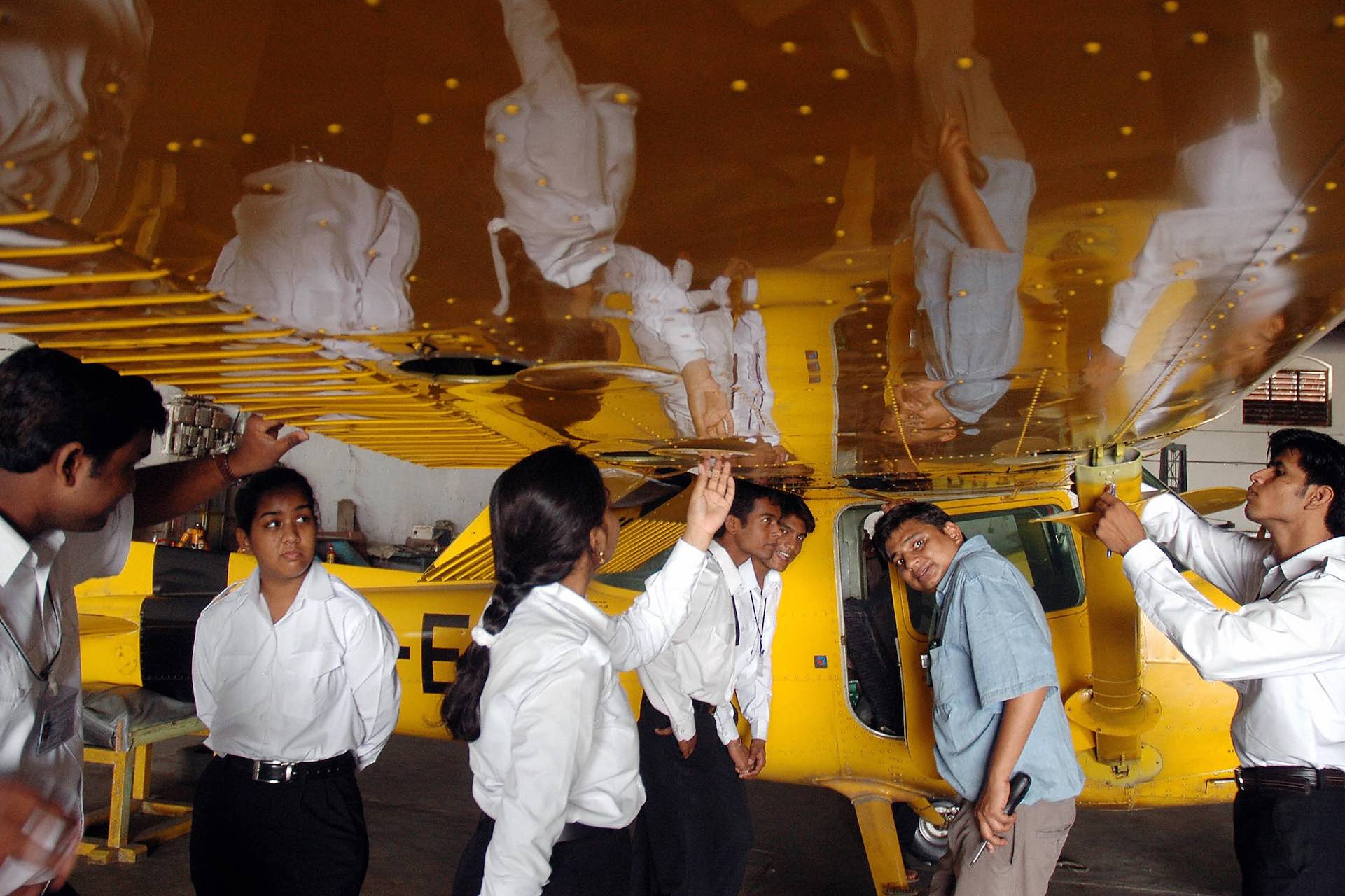
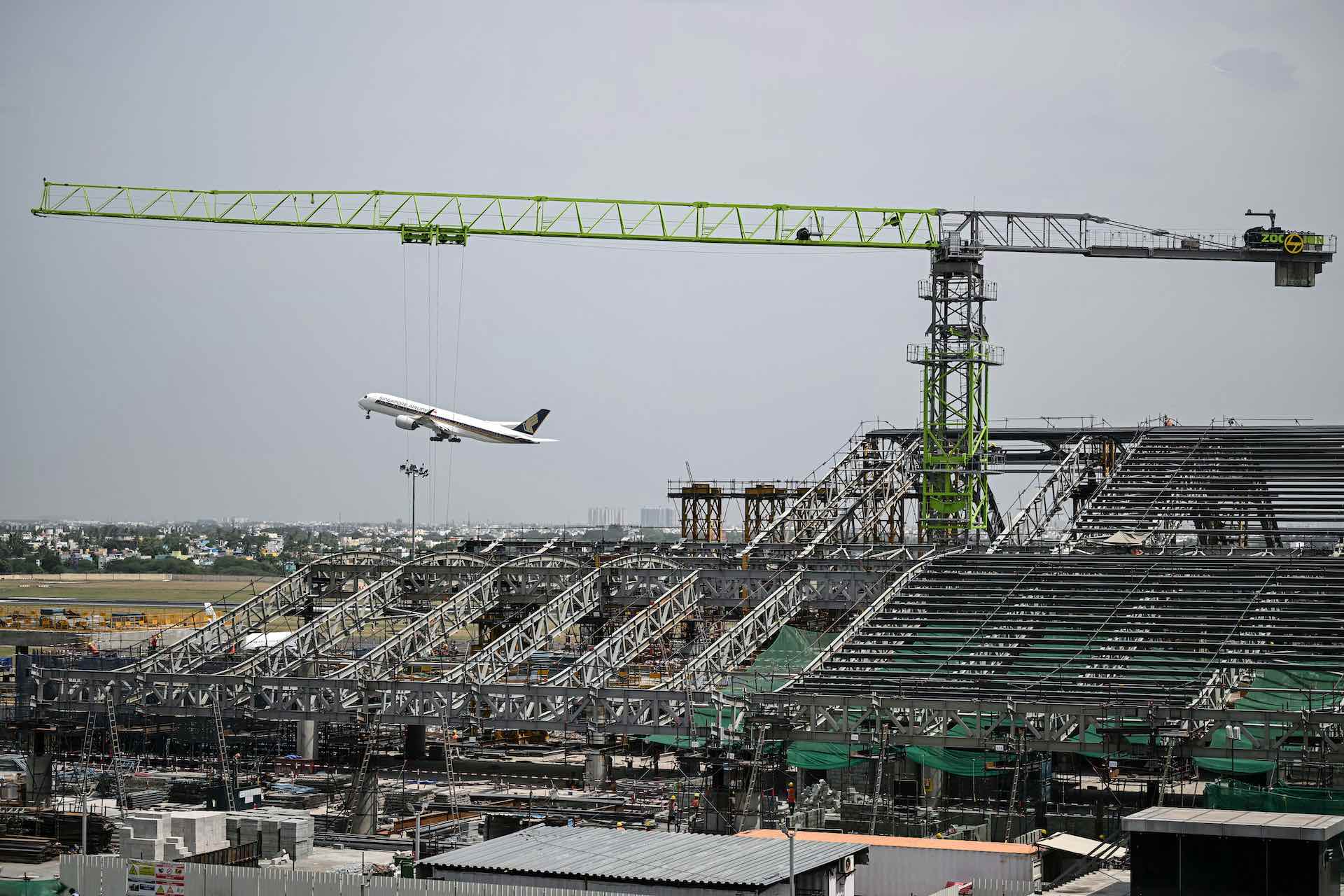
Johnston said working with Indian institutions to deliver in-country training to “Canadian standards” would support Canada’s goal of doubling bilateral trade with India by 2030 through the eventual trade deal. “It meets their needs, and it can meet the needs of our industries in India as well,” she said. Aerospace, a priority sector for the Oct. 12-17 “Team Canada” trade mission to India, could benefit in particular, Johnston said. India is planning to build 50 new airports in the next five years. “If we were to help them train up their pilots, their aviation technicians and aircraft maintenance technicians,” she said, “you can see how that could also drive more commercial outcomes.”
From the perspective of Colleges and Institutes Canada, the point of aligning India’s vocational training programs with industry demand is to ensure employers there can find the skilled employees they need in a domestic workforce—and, by extension, to help people find jobs. None of that requires a newly trained worker to leave India for a job in Canada, or a guarantee one would be available. “There would be real opportunities for them to stay and work in India,” Johnston said.
Still, she can see such partnerships evolving to include Canada’s immigration system, as employers in this country start looking to India for skilled labour. “These are also areas of our labour market where there are gaps now and in the future,” Johnston said. “We could think innovatively about what some of these talent pipelines could look like.”
India’s envoy to Ottawa, however, is not talking about the far-off future. When Patnaik brought up the idea of Canadian training centres in India, he described them as a solution to immigrants not having their credentials recognized in Canada. “You’re creating a pool of already certified—Canadian certified—students in India,” he said in the interview. “That will make it easy for mutual recognition of certification, because if you’re already trained and certified according to the Canadian system, it makes it easier for you to absorb them.”
Mikal Skuterud, an economist at the University of Waterloo who specializes in immigration policy, said the “huge” role that immigration plays in attracting Indian students to Canadian education should not be left to chance. “The proposition that you’re offering these students fundamentally changes” when permanent residency is on the table, he said. “We are so complacent in this country about how lucky we are to live here that we completely underestimate the willingness to pay in the Indian population for Canadian PR status.”
In fact, since the federal government cut back on international student permits, Canadian colleges and universities have been struggling to attract international students—including from India.
Gabriel Miller, president and CEO of Universities Canada, said that, after the reduction, “no one wanted to talk about this part of Canada’s foreign policy.” While this new strategy is focused on India, Miller said, it could serve as a model for how Canada handles education-related trade elsewhere in the world—including the European Union, where research and student mobility are expected to feature prominently in a stronger partnership.
First, though, the federal government must change its visa system to improve the pace, transparency and predictability of approvals, Miller said. “It’s a stumbling block for everything we’re trying to achieve internationally,” he said. “When you are pushing an agenda as ambitious as the prime minister’s, you need a 21st-century talent pipeline to win the competition for 21st-century talent.”