PRINCE RUPERT, B.C. — In a muddy clearing carved out of a swathe of coastal B.C. forest, workers are busy laying the foundation for one of Canada’s best hopes of redrawing its supply chains in the face of U.S. President Donald Trump’s trade war.
Skip to content

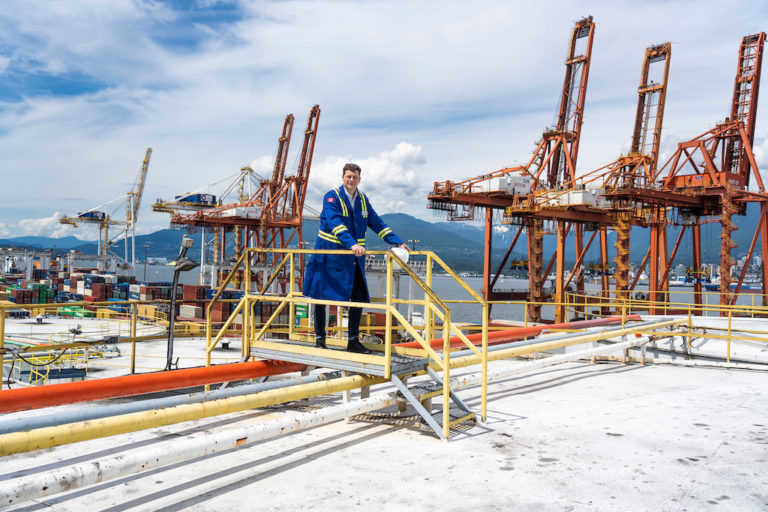
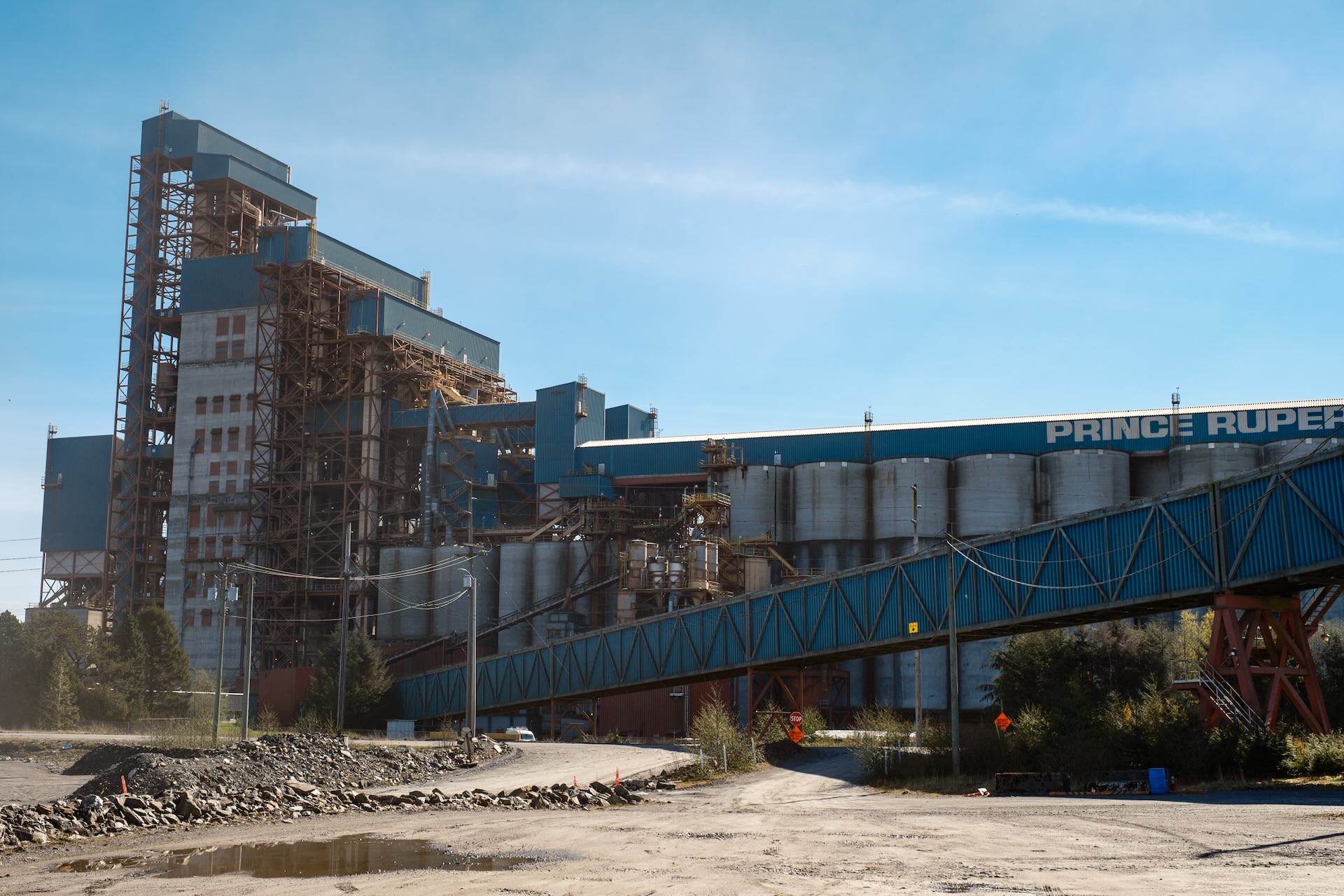 Prince Rupert is Canada’s third largest port. Unlike Montreal and Vancouver, it also doesn’t serve a major local market. The nearby town of Prince Rupert is home to just 12,000 people. Photo: Prince Rupert Port Authority
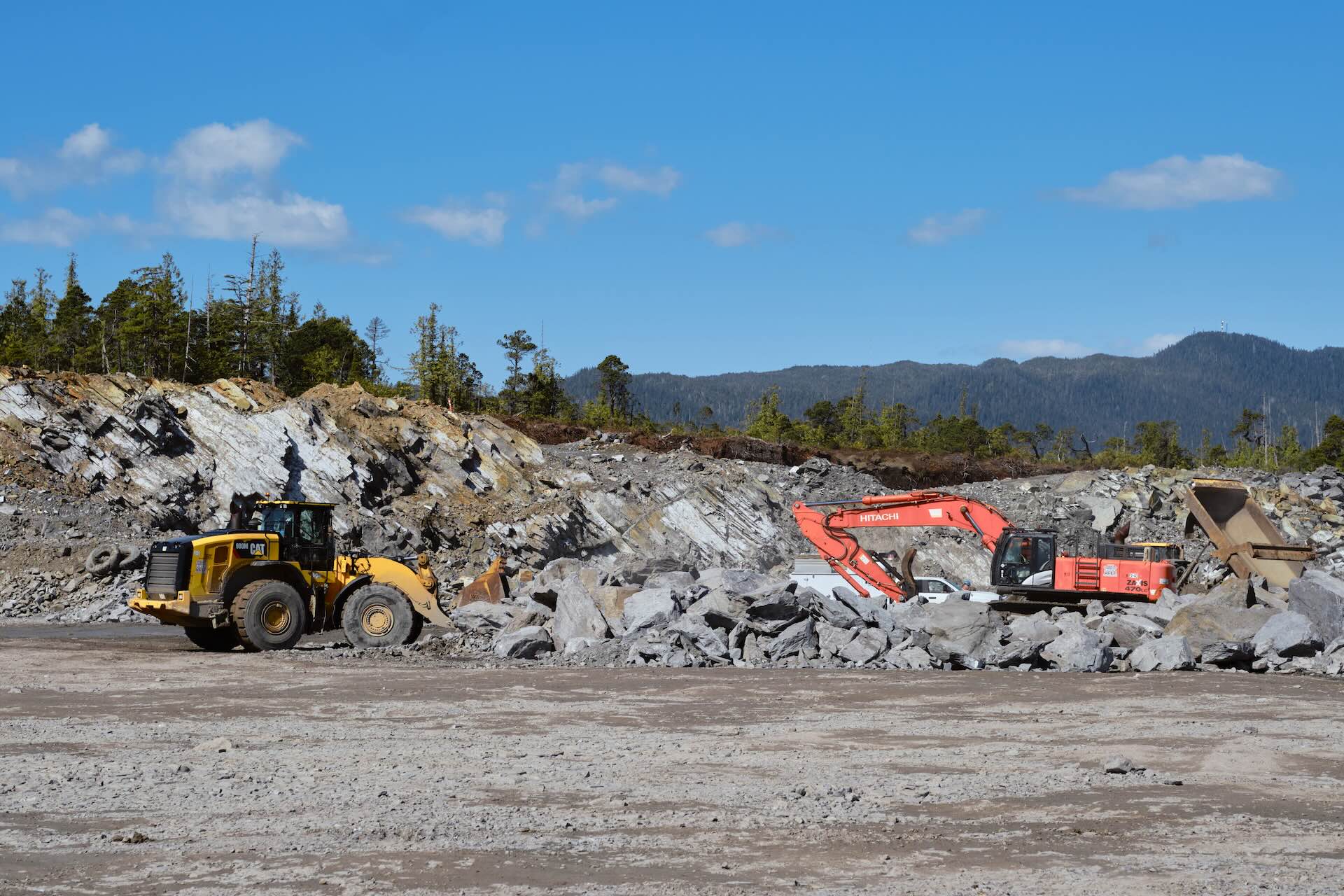 A $1-billion expansion will more than double the port’s export capacity when it comes online in early 2027. Photo: Prince Rupert Port Authority
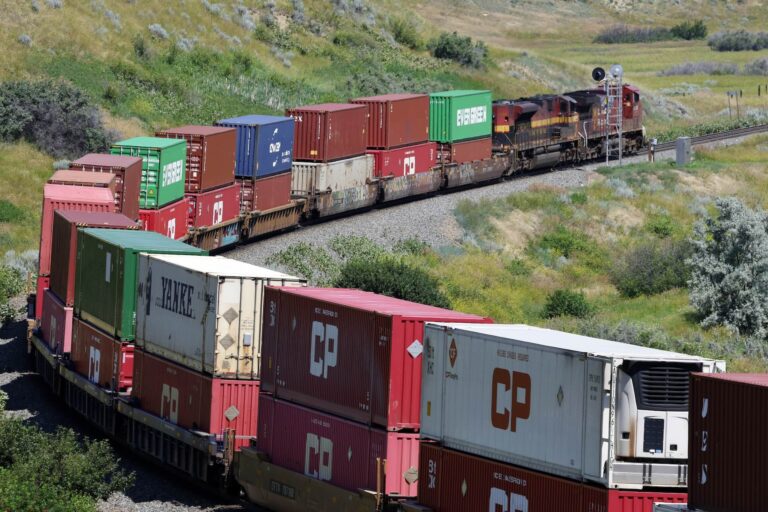
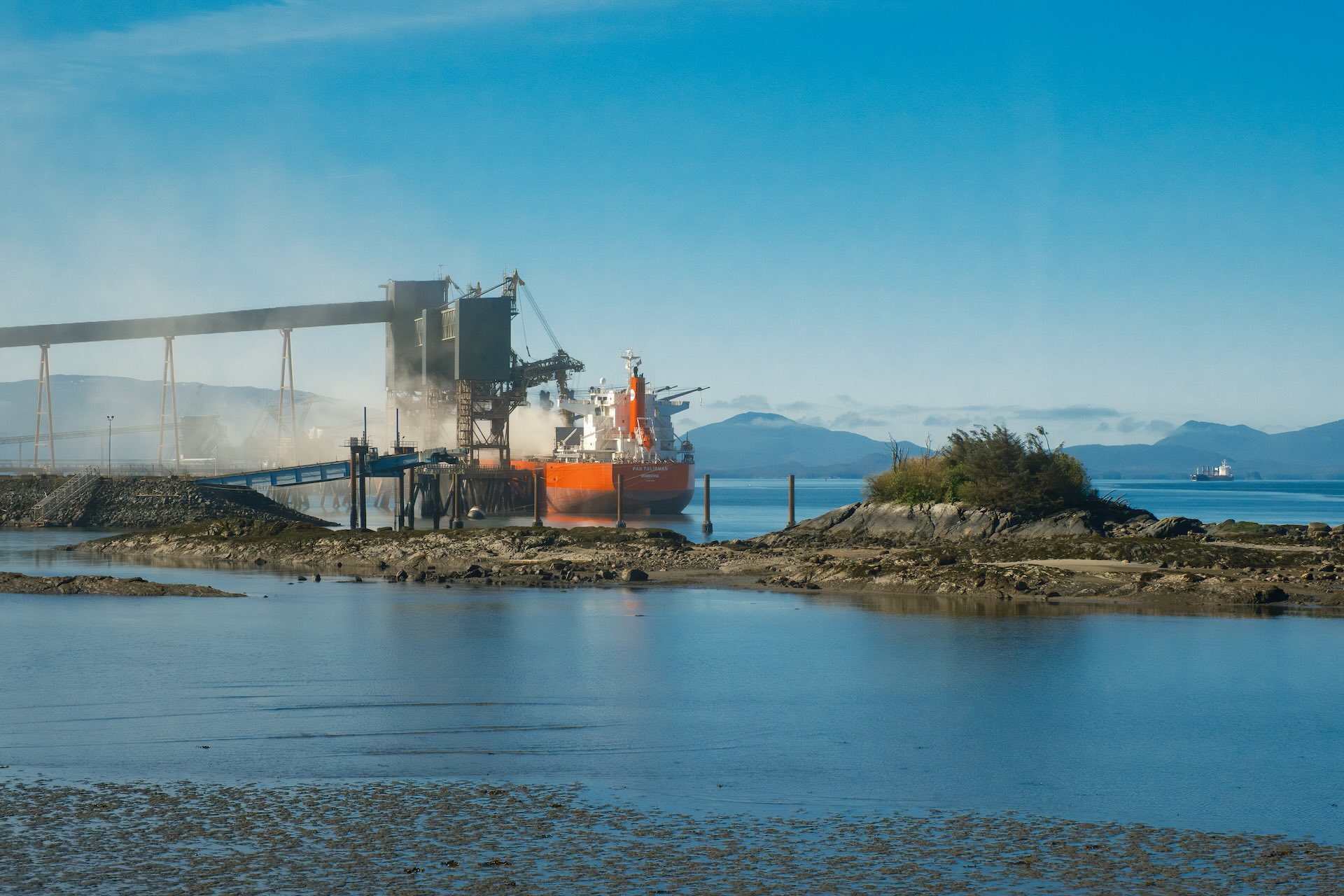 Prince Rupert is closer to Asia than any other North American port and is well-connected to the U.S. by low-elevation rail line favoured by Asian shippers Photo: Prince Rupert Port Authority
News
North America’s closest port to Asia has a $1B plan to dodge Trump’s trade war
Prince Rupert is Canada’s third-largest port. It’s spending big to try and capture new business as global trade is thrown into chaos.
Trump tariffs introduce “both opportunities and challenges—and potential risks” for the Prince Rupert Port Authority, according to marketing manager Jeff Stromdahl. Photo: Prince Rupert Port Authority
PRINCE RUPERT, B.C. — In a muddy clearing carved out of a swathe of coastal B.C. forest, workers are busy laying the foundation for one of Canada’s best hopes of redrawing its supply chains in the face of U.S. President Donald Trump’s trade war.
Talking Points
- Prince Rupert is undergoing a near $1-billion port expansion that will more than double its export capacity.
- The investment, like several other major planned expansions, comes as the port looks to reduce its dependence on imports and sidestep Trump’s punishing Chinese tariffs
The nearly $1-billion Canxport facility, currently under construction on an 83-acre site on the southern edge of the Port of Prince Rupert, will more than double the port’s export capacity when it comes online in early 2027. Once completed, products like lumber, cereal grains and plastic pellets used in the manufacturing process will arrive at the port on one of three rail lines before being hoisted aboard ocean vessels by giant rail-mounted cranes.
Financed by Canadian National Railway, Montreal-based Ray-Mont Logistics, Prince Rupert Port Authority and federal agency Canada Infrastructure Bank, Canxport received federal environmental approval in early 2023, long before Trump’s tariff threats threw the global trade order into chaos. Today, however, the project has taken on new relevance as countries scramble to reinforce supply chains, and as Prince Rupert—North America’s closest port to Asia— looks to lower its dependence on imports and reduce its exposure to U.S. tariffs.
On the Trail
The Logic’s reporters have spread out across the country during this election campaign to visit parts of Canada that are on the front lines of economic transformation, and to cover the issues people there tell us the next government must address. Read all of our campaign trail stories here.
“On the export logistics side of things, being able to more than double our export throughput—that’s huge for us,” said Jeff Stromdahl, marketing manager of the Prince Rupert Port Authority, the organization that’s the lead proponent of Canxport.
Despite being located in a picturesque town of roughly 12,000 people, the Prince Rupert port punches above its weight. It is Canada’s third biggest port, behind only Vancouver and Montreal, and handles about $60 billion in goods per year, according to Stromdahl. In addition to the container yard, the port also has designated export hubs for grain and propane.
The majority of the port’s container business is currently in imports, a huge chunk of which—around 87 per cent—come from China. Of that, the Port of Prince Rupert ships more than half of its imported cargo by rail to U.S. destinations like Chicago, Detroit, St. Louis and Memphis. Such shipments are therefore exposed to Trump’s latest tariffs on Chinese imports, which now stand at an eye-watering 145 per cent.
Stromdahl describes the Trump tariffs as introducing “both opportunities and challenges—and potential risks,” particularly on the container side of the port’s business. “Geopolitical unrest, tariffs and trade uncertainty has helped solidify our need for market diversification and market access points,” he said.
Related Articles
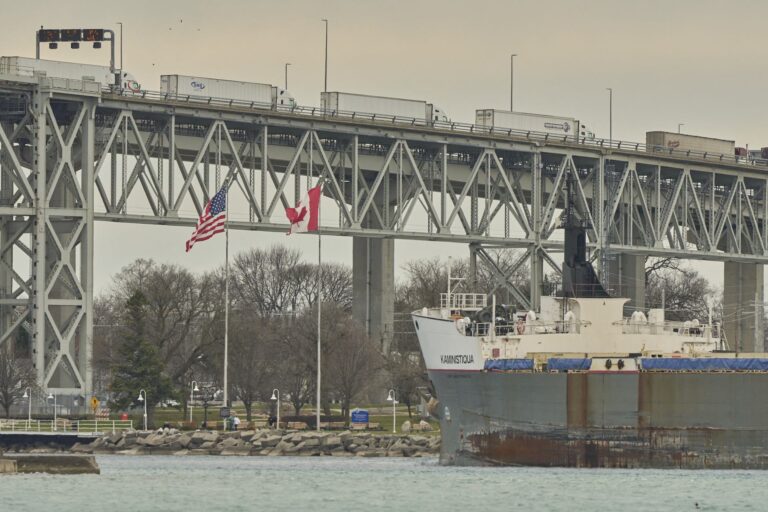
While Stromdahl expects Chinese goods will continue to flow into the U.S. despite steep tariffs—“trade policy isn’t going to change that overnight,” he said—a prolonged trade battle could eventually crimp consumer spending, thereby putting a slowdown on Prince Rupert’s volumes. The Canxport facility is just one of the port’s planned expansions that will boost export capacity.
The Port Authority is in the early stages of building a second container terminal just south of the existing one that will double its current capacity. In May of last year, Calgary-based oil and gas firm AltaGas and its joint-venture partner, the Netherlands’’s Royal Vopak, reached a final investment decision on their $1.35-billion export hub at Prince Rupert, the largest investment in the port’s history.
The terminal will off-load liquid petroleum gas—products like propane or butane known collectively as LPGs—from railcars and ship them to Asian markets, where demand for LPGs is high. Prince Rupert’s close proximity to China and other markets gives AltaGas a “structural advantage in delivering LPGs to Asia with the shortest shipping time,” CEO Vern Yu said in a statement following the final investment decision.
Canxport will initially have the capacity to handle around 400,000 shipping containers per year, a substantial boost to the port’s current capacity of around 1.6 million.
The new terminal will “improve the balance of import and export cargoes” at Prince Rupert and drive “local economic and employment benefits,” according to the Canada Infrastructure Bank. The agency backed the project with a $150-million loan, its first port investment, in May 2024.
Still, Trump’s efforts to restructure global trade through punishing tariffs could pose major hurdles for Prince Rupert, which remains heavily reliant on the U.S. market.
While Vancouver is closer to the U.S. Midwest than Prince Rupert, the rail line from Prince Rupert has comparably less elevation, Stromdahl said, and is therefore a favoured route for Asian shippers. “The U.S. Midwest is our bread and butter,” he said.
Ashley Furniture, a U.S.-based furniture manufacturer and retailer, makes much of its product in Vietnam and is a major importer through Prince Rupert. Autoparts makers and other firms that provide just-in-time products, or those that aren’t amenable to sitting in storage, are also major clients.
Unlike other major Canadian ports like Montreal or Vancouver, Prince Rupert doesn’t serve a major local market, meaning that almost all of the cargo it handles could technically flow through other ports. That exposes it to trade rifts more than other hubs—a reality that has forced its crews to emphasize efficiency in an effort to keep customers coming back, Stromdahl said.
“What’s unique about this port is that the men and women who work down here and work within the gateway understand that on a daily basis, they have to earn that cargo. It’s not taken for granted that it’s going to be coming every single day.”
This reporting is made possible by the generous support of the Covering Canada: Election 2025 Fund, a non-partisan granting initiative by the Public Policy Forum, the Rideau Hall Foundation and the Michener Awards Foundation. Its goal is to help journalists cover election stories that would otherwise go untold.



Loading...
Thanks for sharing!
You have shared 5 articles this month and reached the maximum amount of shares available.
CloseThis account has reached its share limit.
If you would like to purchase a sharing license please contact The Logic support at [email protected].
CloseGift the full article!
You have gifted 0 article(s) this month and have 5 remaining.
Recipients will be able to read the full text of the article after submitting their email address. They will not have access to other articles or subscriber benefits.
Photo: Prince Rupert Port Authority
Prince Rupert is Canada’s third largest port. Unlike Montreal and Vancouver, it also doesn’t serve a major local market. The nearby town of Prince Rupert is home to just 12,000 people.
A $1-billion expansion will more than double the port’s export capacity when it comes online in early 2027.
Prince Rupert is closer to Asia than any other North American port and is well-connected to the U.S. by low-elevation rail line favoured by Asian shippers
Most Popular This Week




In-depth, agenda-setting reporting
Great journalism delivered straight to your inbox.
The Big Read
Alberta’s referendum is just the start of the turmoil
Briefing
EverWind plans $10B data centre and wind development in Nova Scotia
Canada ready to force Stelco to sell its Canadian operations, Joly says
Feds plan a 60 MW defence-oriented data centre for Ottawa
Best business newsletter in Canada
Get up to speed in minutes with insights and analysis on the most important stories of the day, every weekday.
Exclusive events
See the bigger picture with reporters and industry experts in subscriber-exclusive events.
Membership in The Logic Council
Membership provides access to our popular Slack channel, participation in subscriber surveys and invitations to exclusive events with our journalists and special guests.






