Canadian inflation rose 4.1 per cent in August, the highest monthly year-over-year increase since 2003, Statistics Canada reported Wednesday. Here are the key takeaways:
Skip to content


News
What’s really driven Canadian inflation to an 18-year high?
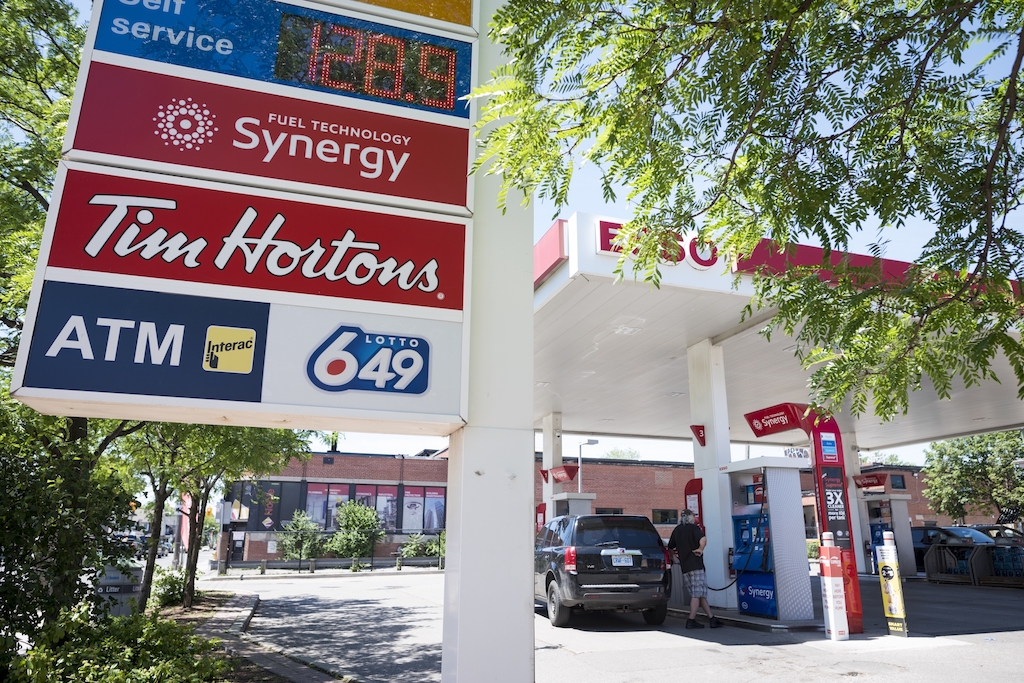
An Esso gas station in Toronto in June 2021. Photo: The Canadian Press/Tijana Martin
Canadian inflation rose 4.1 per cent in August, the highest monthly year-over-year increase since 2003, Statistics Canada reported Wednesday. Here are the key takeaways:
How bad is it?: The Bank of Canada aims to keep inflation between one and three per cent, so 4.1 per cent is a big overshoot, especially after the numbers in June (3.1 per cent) and July (3.7 per cent).
Prices rose in seven of the agency’s eight categories of goods, with transportation leading the way: gas prices were up 32.5 per cent compared to August 2020, and passenger-vehicle prices rose 7.2 per cent. Shelter prices rose 4.8 per cent, with an index of homeowners’ replacement costs increasing 14.3 per cent, the biggest yearly rise since 1987. Only clothing and footwear was cheaper this August than a year ago, by 0.2 per cent.
What’s going on: The Consumer Price Index measures changes since the same month the previous year, and 2020 was a deeply weird time.
“Inflation continues to be higher than before the pandemic. That’s mainly because inflation compares today’s prices with those of a year ago, when much of the economy was still locked down,” Bank of Canada governor Tiff Macklem said in a speech last week, explaining why he wasn’t too concerned. Also, some industries are coping with supply disruptions.
This happened with wood, for example: prices spiked as homebuilders, renovators and DIYers bid up a market where supply was limited. Those prices have recently descended to normal.
Politicians have reacted politically: A federal election campaign is underway and the cost of living, especially for housing, has been key.
The Conservatives have blamed the Liberals’ deficit-funded pandemic programs and responded to the inflation news by attacking them and the NDP for planning “more reckless spending. More massive debt. And more rising prices.” They argue the Liberals are pumping money into an economy that doesn’t need it, with the Bank of Canada’s support.
Regardless, both the Liberal and Conservative plans follow pretty similar spending tracks over the next five years.
A bonus for the digital economy: StatCan revealed a new inflation index for the digital economy, incorporating cellphone services, parcel delivery, internet access, ride sharing, and streaming. It said those prices collectively fell 4.8 per cent between August 2020 and 2021.



Loading...
Thanks for sharing!
You have shared 5 articles this month and reached the maximum amount of shares available.
CloseThis account has reached its share limit.
If you would like to purchase a sharing license please contact The Logic support at [email protected].
CloseGift the full article!
You have gifted 0 article(s) this month and have 5 remaining.
Recipients will be able to read the full text of the article after submitting their email address. They will not have access to other articles or subscriber benefits.
Photo: The Canadian Press/Tijana Martin
Most Popular This Week




In-depth, agenda-setting reporting
Great journalism delivered straight to your inbox.
News
Cohere plans to acquire cyber startup Aisle and set up a new security division
Briefing
Banks should have kill switches, IDs for AI agents, says global finance watchdog
B.C. First Nations decry rushed consultations as Major Projects Office CEO promises to do better
Feds pledge $100M to back Nova Scotia’s plans for offshore wind farms
Best business newsletter in Canada
Get up to speed in minutes with insights and analysis on the most important stories of the day, every weekday.
Exclusive events
See the bigger picture with reporters and industry experts in subscriber-exclusive events.
Membership in The Logic Council
Membership provides access to our popular Slack channel, participation in subscriber surveys and invitations to exclusive events with our journalists and special guests.