Listen Now
0:00
TORONTO — Not long ago, Gumloop’s clients were encouraging their employees to use as much AI as possible. Several put up leaderboards to recognize workers who were spending the most tokens, the units used to measure the data AI processes.
As AI costs have soared, some of those same firms are now trying to rein in their spending, said Gumloop CEO Max Brodeur-Urbas. “The vibe is shifting, and people are realizing, ‘This is not financially responsible.’”
Talking Points
- Companies are counting the cost of pushing staff to use as much AI as possible, looking for more visibility and control over how the technology is used and what it’s producing
- Firms are leaning on tool makers that can help reduce spending by directing them to cheaper AI models for less difficult tasks, or switching their AI subscription plans
Companies are watching their AI bills spike as developers use it to generate reams of code and knowledge workers run agents that automate routine tasks. In response, “tokenmaxxing”—employing as much AI as possible, in pursuit of productivity gains—is out. It’s being replaced by a greater focus on tokenomics, the math of using the technology to get the best possible return.
Ottawa-based Fellow spends tens of thousands of dollars a month on AI tools for its workforce of about 70, half of whom are developers. The firm sells a meeting assistant that creates notes and to-dos from clients’ internal conversations. It has raised US$30.5 million, per PitchBook data, from backers including Montreal-headquartered Inovia Capital and Waterloo, Ont.-based Garage Capital.
Related Articles

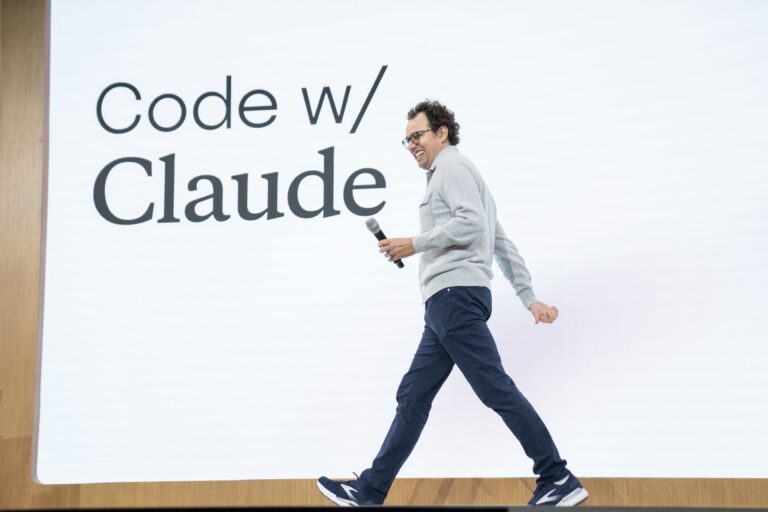
Fellow uses AI models both to power its product and to generate a lot of the code behind it. “In the beginning, our goal was just adoption,” said CEO Aydin Mirzaee. Executives would showcase the coders spending the most on AI and encourage other staff to catch up. Usage surged as the models powering them became more capable and as they were increasingly integrated into existing software systems. More employees in other departments also started using them. “It really starts to add up,” Mirzaee said.
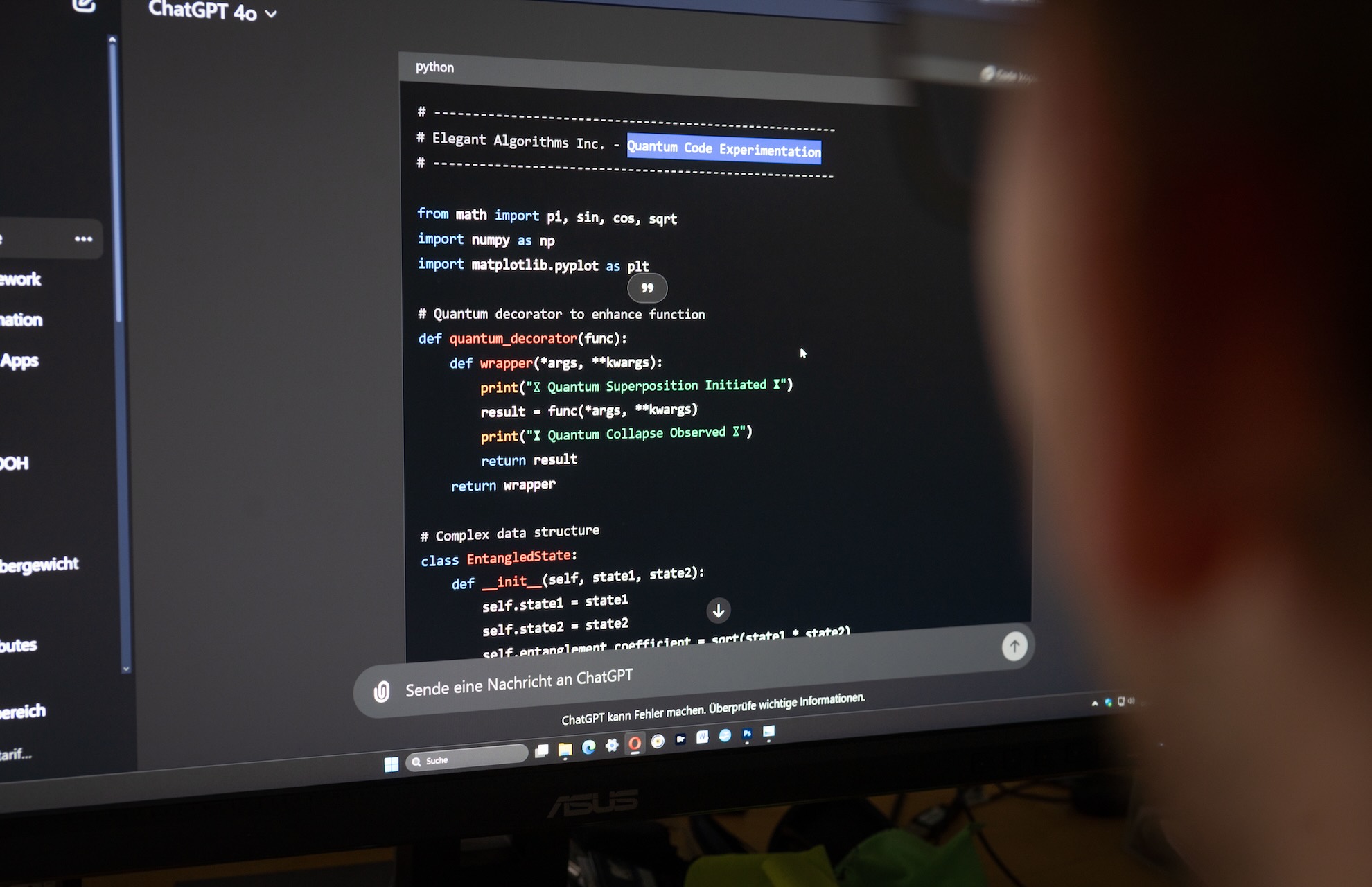
To contain costs, Fellow started switching in January from Anysphere’s popular coding tool Cursor, which charges based on token usage, to subscription-based plans from AI giants Anthropic and OpenAI, which have usage limits but effectively subsidize users. Staff have learned to plan their work to make the most of the new setup.
“It is starting to not make financial sense to encourage everyone to use every AI tool for everything.”
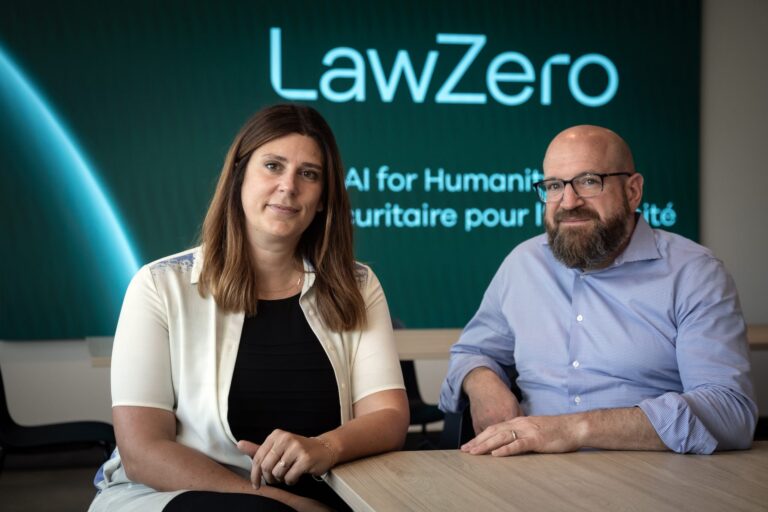
Gumloop—founded in Vancouver and headquartered in San Francisco—is building tools to give clients visibility and control over their AI spending. Workers at Shopify, Instacart and Steve Madden use the startup’s platform to launch their own AI agents. Some clients have seen their monthly bills rise from thousands to hundreds of thousands of dollars, according to Brodeur-Urbas. “It is starting to not make financial sense to encourage everyone to use every AI tool for everything.”
Last month, Gumloop added a dashboard that lets clients see which models employees are using and predict their future expenses. It also connected a set of new models that are cheaper to run. The new features may cost Gumloop in the short term, because it takes a cut of what clients pay for tokens, in addition to subscription fees.
“It is counterintuitive when we’re teaching people how to spend less,” Brodeur-Urbas said, but it’s “so worth it” in the long run. Better tokenomics, he said, will encourage clients to roll its technology out to more employees over time. The startup has raised US$78.1 million to date, per PitchBook data, from backers including Benchmark and Shopify Ventures.
San Francisco-based firm Not Diamond also sells tools to cut clients’ AI bills. Its technology routes tasks from a coding agent to the AI system that will deliver the best response at the lowest possible cost. “A lot of people just default to the most powerful model for everything,” said CEO Tomás Hernando Kofman, but many tasks can be handled by lesser systems without sacrificing quality.
Not Diamond, which is also backed by Inovia, claims it can cut token costs by 30 per cent or more. It does that by routing work either to cheaper variants of a model—the medium setting on Anthropic’s popular Claude Opus instead of xhigh, say—or to open source models like Z.ai’s GLM or DeepSeek’s Flash. Hernando Kofman says even clients in highly regulated sectors like banking are increasingly willing to use technology from Chinese developers, as long as it’s hosted in the U.S.
Interest in model routing has exploded this year, particularly among large firms with thousands of engineers all using agents to generate code, said Hernando Kofman—Not Diamond is now handling almost 70 times as many tokens as it was at the beginning of the year. Clients are “trying to bring spend back into line without killing the productivity gains that they’ve invested in,” he said.
Not Diamond plans to expand beyond coding agents to AI tools for financial, legal and other types of tasks, which will multiply clients’ token bills as the technology spreads across more departments.
Toronto-based investor Georgian’s in-house AI lab typically still uses the most advanced models from providers like Anthropic, said Nahim Nasser, head of AI engineering. The team is small enough that costs are manageable. But when the firm’s developers are helping a portfolio company build a product, they often recommend employing open source systems that are tuned for the application’s specific requirements. Combined with other optimization strategies, some Georgian-backed firms have cut their token costs by over 80 per cent, Nasser claimed. “It’s very material.”
Building on top of customized open source models also gives startups more control over their technology, instead of becoming beholden to AI giants that may someday become competitors. “You’ve got a margin-optimal, defensible business,” Nasser said.
While it’s important for companies to contain rising AI costs, it shouldn’t come at the expense of experimentation, said Fellow’s Mirzaee. That’s why he’s happy to upgrade the AI plan of any employee who hits the usage cap.
“We actually want people to do those personal projects and those things that are silly and go nowhere,” Mirzaee said, because the more time spent using AI, “the better you become.”