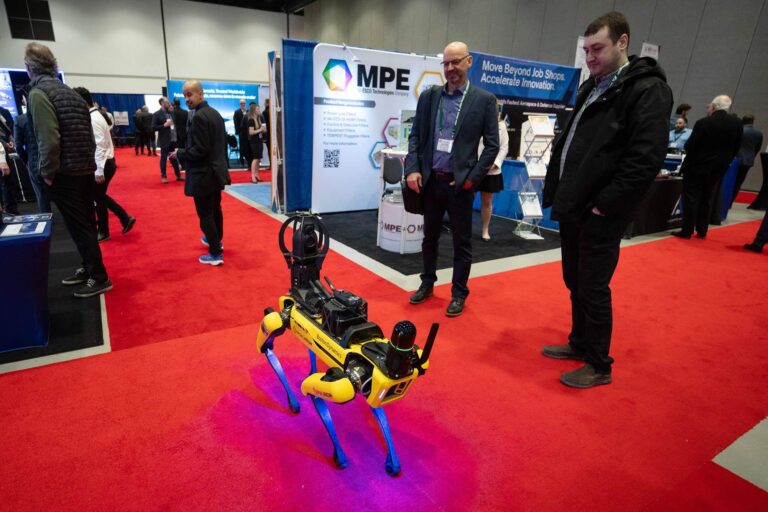
The system—which cost $451,718 plus annual maintenance and support fees—takes images of potential suspects found on public or private cameras and compares them to an internal database of around 1.5 million mugshots, according to a report submitted in advance of a Thursday board meeting. Between March and December of 2018, police ran 1,516 searches using some 5,000 still and video images; the system generated potential mugshot matches for about 60 per cent of them. Around 80 per cent of the matches led to criminal offenders being identified. (Toronto Star)
Skip to content

The system—which cost $451,718 plus annual maintenance and support fees—takes images of potential suspects found on public or private cameras and compares them to an internal database of around 1.5 million mugshots, according to a report submitted in advance of a Thursday board meeting. Between March and December of 2018, police ran 1,516 searches using some 5,000 still and video images; the system generated potential mugshot matches for about 60 per cent of them. Around 80 per cent of the matches led to criminal offenders being identified. (Toronto Star)
Talking point: Police said they purchased the system to identify suspects more efficiently using fewer resources. The agency said it currently only plans to use the tech to compare images with pre-existing mugshots, and that it doesn’t perform real-time facial recognition. The technology has been criticized for disproportionately misidentifying women and people of colour. Earlier in May, San Francisco banned police and other agencies from using it, saying it could potentially be misused. Though Toronto city officials haven’t officially explored banning the tool, federal members of Parliament are looking into the San Francisco ban to see if something similar should be passed in Canada. Charlie Angus, NDP ethics critic, called for the use of facial recognition to be paused, saying, “This technology is being put in place without any legislative oversight.”



Loading...
Thanks for sharing!
You have shared 5 articles this month and reached the maximum amount of shares available.
CloseThis account has reached its share limit.
If you would like to purchase a sharing license please contact The Logic support at [email protected].
CloseGift the full article!
You have gifted 0 article(s) this month and have 5 remaining.
Recipients will be able to read the full text of the article after submitting their email address. They will not have access to other articles or subscriber benefits.
Most Popular This Week


In-depth, agenda-setting reporting
Great journalism delivered straight to your inbox.
News
Canadian businesses were bracing for a wave of retirees. Then along came AI
Briefing
Canadian firm in controversial Greenland oil project won’t deploy rig without approval
AbCellera plans to raise US$200M in equity sale
Apotex stock loses steam after first earnings report
Best business newsletter in Canada
Get up to speed in minutes with insights and analysis on the most important stories of the day, every weekday.
Exclusive events
See the bigger picture with reporters and industry experts in subscriber-exclusive events.
Membership in The Logic Council
Membership provides access to our popular Slack channel, participation in subscriber surveys and invitations to exclusive events with our journalists and special guests.