VANCOUVER — TouchBistro, a Toronto-based provider of point-of-sale and restaurant-management systems, has closed a $150-million fundraising round, with plans to use the money to keep growing its business amid a market downturn that’s seen venture capital dry up.
Skip to content

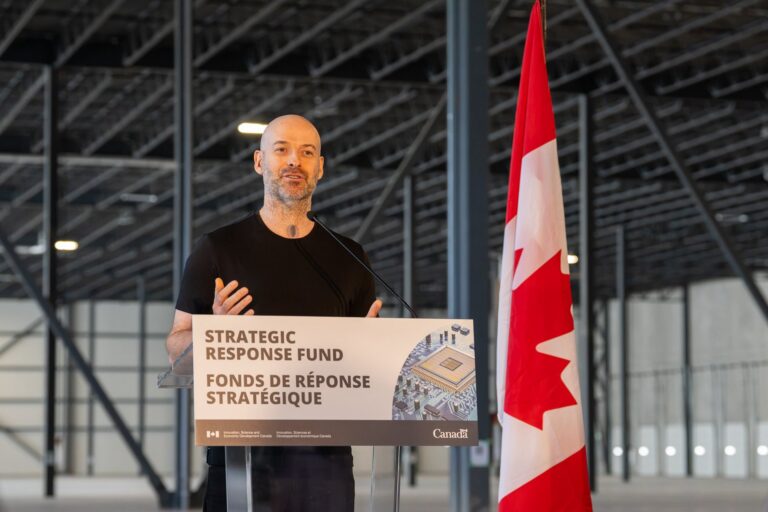
 TouchBistro's CEO and chair Samir Zabaneh. Photo: TouchBistro/Handout

News
TouchBistro raises $150M ‘in this difficult environment’
A restaurant patio in Vancouver in April 2021. Photo: The Canadian Press/Jonathan Hayward
VANCOUVER — TouchBistro, a Toronto-based provider of point-of-sale and restaurant-management systems, has closed a $150-million fundraising round, with plans to use the money to keep growing its business amid a market downturn that’s seen venture capital dry up.
TouchBistro’s status as an “established” player in its space helped it “bring a meaningful amount of capital even in this difficult environment,” said CEO and chair Samir Zabaneh.
Talking Points
- TouchBistro, a Toronto-based provider of a restaurant-management system, closed a $150-million round, raising $430 million to date
- The firm plans to use the money to fuel growth by developing its products and pursuing mergers and acquisitions
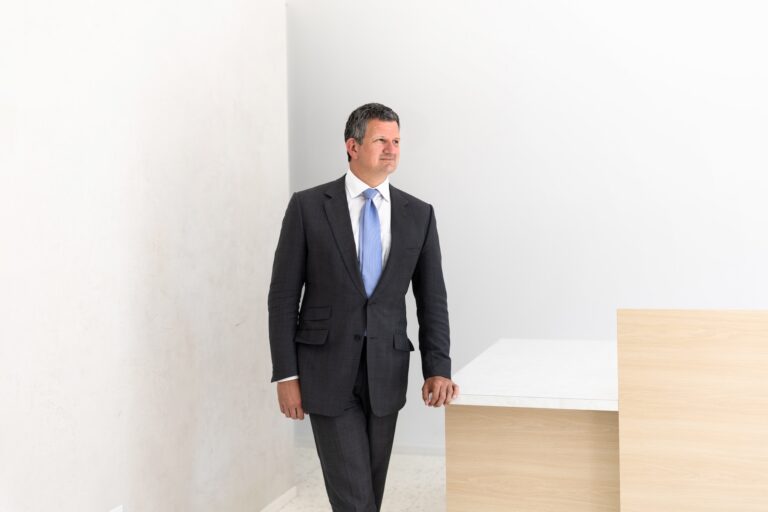
Francisco Partners, the sole investor in this round, was drawn to the company after Zabaneh took over as CEO in April 2021, said Peter Christodoulo, partner and head of fintech at the private equity firm, who has known Zabaneh for more than a decade. The company’s new leadership and its well-known platform combined to make “a pretty interesting investment opportunity,” Christodoulo said. Francisco, a later-stage investor, is more interested in startups that “aren’t burning $100 million a year,” he added. “This is the time to make an investment like this, especially behind an operator like [Zabaneh] who understands how to build a scalable, economic enterprise.”
After a record-breaking year in 2021, venture capital activity slowed down this year as inflation peaked, interest rates rose and Russia invaded Ukraine. Companies headquartered in Canada raised 44 per cent less in the third quarter of this year than last, according to PitchBook data. Investors shifted their focus from a growth-at-all-costs mindset to one that prioritizes profitability.
Meanwhile, entrepreneurs and startups, uncertain when new injections of funds might come, found other ways to extend their runways, trimming headcounts by 10, 25, or even 30 per cent. Toronto-based Q4 recently laid off dozens of its North American staff, moving their jobs to Latin America, where labour is cheaper.
Related Articles


TouchBistro, which had raised $280 million prior to this round, said it wasn’t looking to fundraise when it received expressions of interest from potential investors. (Christodoulo said he reached out for a casual conversation with Zabaneh shortly after he started as CEO, congratulating him and asking about potential opportunities to work together). As a result of those queries, TouchBistro decided to pursue a formal round and secured several offers.
TouchBistro received more than one term sheet, Zabaneh said, adding: “This was not just take whatever we can.” In the current economic conditions, some companies have raised funds in so-called down rounds, accepting lower valuations of their companies than they did during their previous raises. Zabaneh and Christodoulo declined to discuss the valuation of TouchBistro’s raise, but Zabaneh said the company is pleased with the terms. “I think it’s a testament to what we’ve accomplished so far,” he said.
Founded in 2010, TouchBistro started by offering a point-of-sale device to restaurants, and has since grown to provide a management system that can process payments, reservations and online ordering. Fully 16,000 restaurants in more than 100 countries now use its system, the company said.
Zabaneh said the changes the company has made since he started as CEO provide “a lot of promise of what could come in the future.” During the early days of the COVID-19 pandemic, it rushed out a new feature for clients: its system for taking online orders and issuing gift cards. In April, TouchBistro launched a platform for marketing and customer-relationship management that, among other features, offers clients the ability to ask customers for feedback and automate marketing campaigns. In July, it partnered with DoorDash to integrate the food-delivery service into its online-ordering platform.
The company plans to use the money from its current raise to fund more growth. Zabaneh outlined what he called “organic” opportunities, such as continuing to develop its products, and potential inorganic ones, such as possible mergers and acquisitions.
He declined to elaborate on new features the company is working on, but said TouchBistro’s recently released products focus on engaging its clients’ customers.
Any acquisitions it looks to make will be focused on expanding the products it can offer its own customers. It is especially interested in back-of-the-house restaurant technology, Zabaneh said in an email. It chose Francisco as an investor in part because of “the multiple investments they have in companies that may provide strategic opportunities.” It previously acquired TableUp, a Boston-based loyalty and marketing provider for the restaurant industry, in 2020. A year earlier, it acquired Bookenda, Reso and YP Dine’s assets.
Christodoulo sees opportunities for some of Francisco’s portfolio companies to work with TouchBistro, including payment solutions providers Verifone and NMI. “While they don’t do a lot of business with TouchBistro today, now that they’re part of this sort of family, they’re probably going to take another look at that,” he said.
As TouchBistro looks to grow, the company has recently laid off about 20 staff, or roughly three per cent of its workforce—though Zabaneh said the layoffs are not a result of overhiring during last year’s tech boom: “This is not a layoff to save money.”
Rather, TouchBistro reorganized its sales team after Zabaneh identified an inefficiency. One group would focus on a city, such as Toronto, while another would focus on the region around it, such as Ontario. The company combined those types of groups, he said.
For Francisco, this was an example of Zabaneh’s ability to grow a company sustainably. The change isn’t revolutionary, said Christodoulo, but creates a positive result by allowing the company to sign up more restaurants while spending less.
Overall, TouchBistro, which now employs about 620 people, is hiring in some departments, including sales and operations.
Correction: The original version of this article misidentified Francisco Partners as a venture capital firm. The story has been updated.



Loading...
Thanks for sharing!
You have shared 5 articles this month and reached the maximum amount of shares available.
CloseThis account has reached its share limit.
If you would like to purchase a sharing license please contact The Logic support at [email protected].
CloseGift the full article!
You have gifted 0 article(s) this month and have 5 remaining.
Recipients will be able to read the full text of the article after submitting their email address. They will not have access to other articles or subscriber benefits.
Photo: The Canadian Press/Jonathan Hayward
TouchBistro's CEO and chair Samir Zabaneh.
Most Popular This Week




In-depth, agenda-setting reporting
Great journalism delivered straight to your inbox.
News
Canada-U.K. digital trade is set to grow under new phase of Pacific Rim trade pact
Briefing
Canada’s finance minister ready to ‘say what needs to be said’ to U.S. counterpart
Magna adds US$35M to its stake in India-based battery startup Yuma Energy
Global bond yields hit highest level since 2008 as inflation fears deepen
Best business newsletter in Canada
Get up to speed in minutes with insights and analysis on the most important stories of the day, every weekday.
Exclusive events
See the bigger picture with reporters and industry experts in subscriber-exclusive events.
Membership in The Logic Council
Membership provides access to our popular Slack channel, participation in subscriber surveys and invitations to exclusive events with our journalists and special guests.